Vacuum Casting Parts for Low-Volume Production
Vacuum-cast polyurethane parts for prototypes and low-volume production. Submit approved CAD, quantity, critical dimensions and inspection needs for RFQ review.
YSBK supplies build-to-print vacuum-cast polyurethane parts for prototypes and low-volume requirements. Projects are reviewed from customer-approved CAD files, with the quantity, critical dimensions, appearance requirements and inspection scope confirmed before quotation.
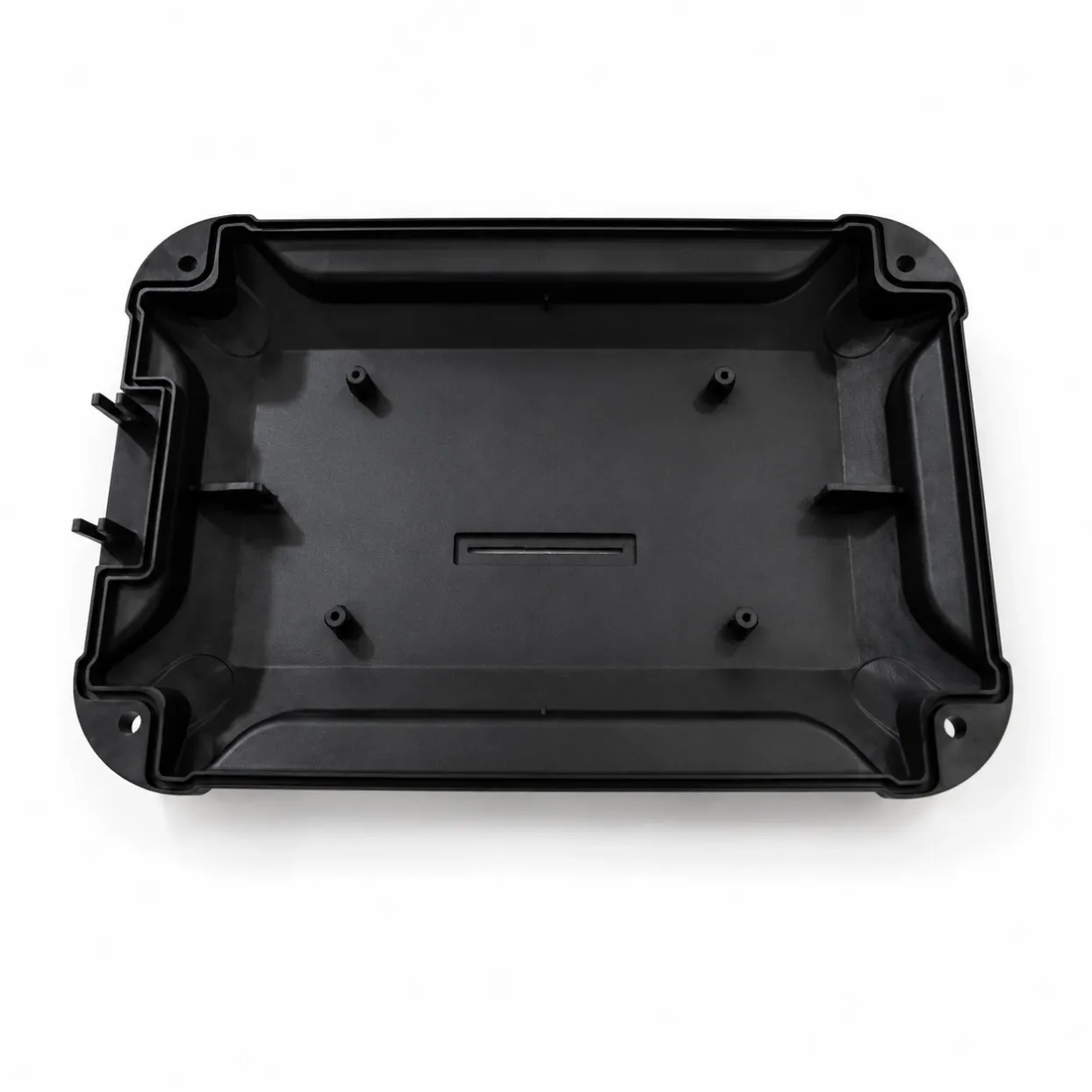
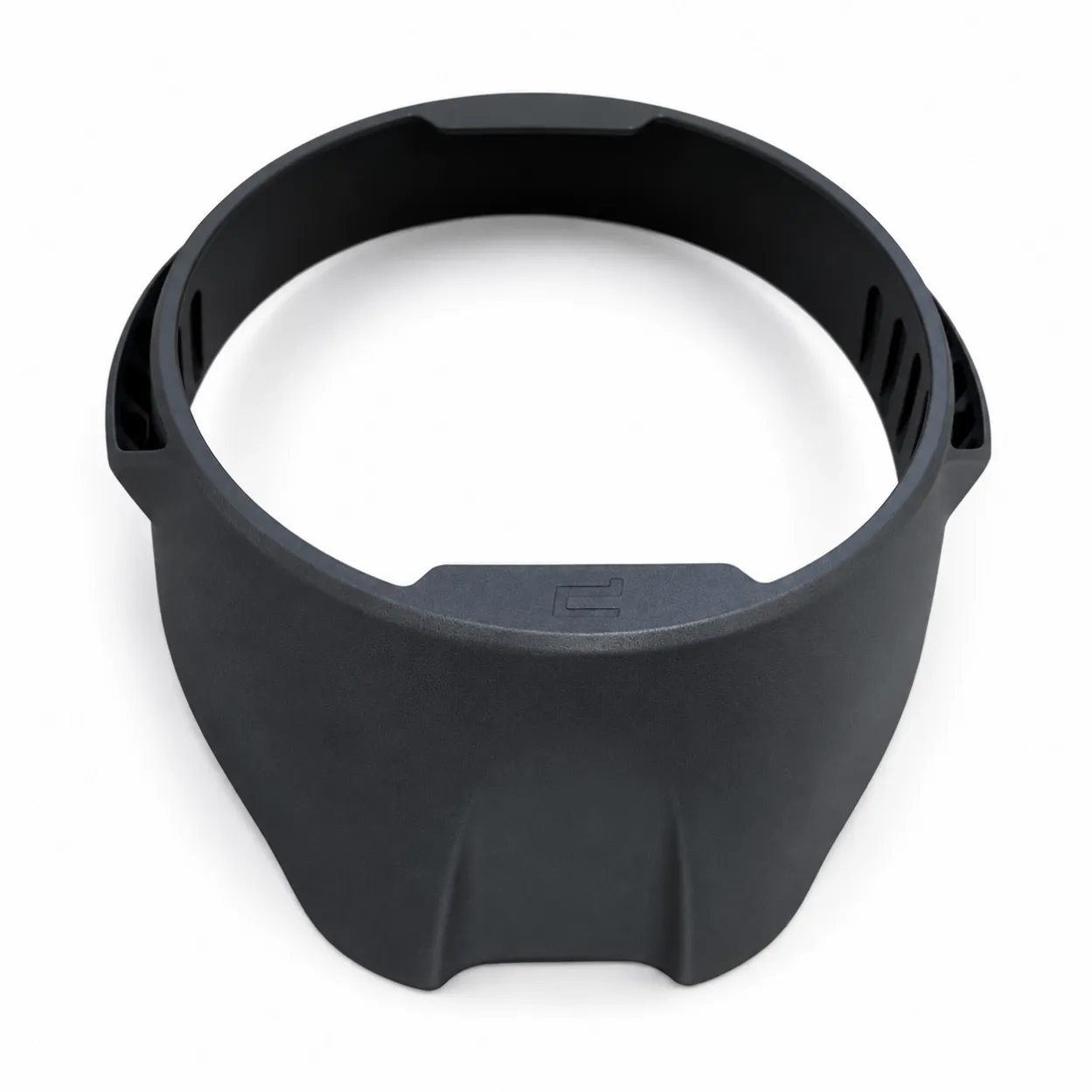
Typical drawing-defined parts include housings, covers, enclosure components, pins, clips and other functional components. Vacuum casting is not evaluated from appearance alone. The approved geometry and the requirements that control fit or assembly need to be clear before the mold and casting scope can be reviewed.
Drawing and CAD Requirements Before RFQ
Send an approved 3D CAD or STEP file as the geometry source. Add a 2D drawing when the part includes critical dimensions, tolerances, threads, inserts, mating interfaces or inspection requirements that cannot be defined safely by the model alone.
The RFQ should identify:
- required quantity;
- approved CAD revision;
- critical dimensions and tolerance requirements;
- specified resin grade or material requirements, when defined;
- color, surface and appearance requirements;
- inserts, threads or assembly interfaces;
- required timing;
- inspection records or first-part photographs, if needed.
A 3D model communicates nominal geometry, but it does not replace drawing notes that control acceptance. For a detailed explanation, see our guide to 2D drawings and 3D CAD files for quotation.
YSBK reviews the defined component for manufacturing and quotation. Design approval for the complete product or assembly remains with the customer.
When Vacuum Casting Fits a Low-Volume Project
Vacuum casting may suit a project when the geometry has already been approved and the buyer needs a prototype or low-volume set of polyurethane parts without production injection-molding tooling.
The process should still be selected against the real functional requirements. Flexible silicone molds, resin behavior, demolding and manual trimming can all affect the finished part. A requirement involving closely controlled dimensions should therefore be identified during RFQ instead of being treated as a general process capability.
Master Pattern, Silicone Mold and Casting Resin
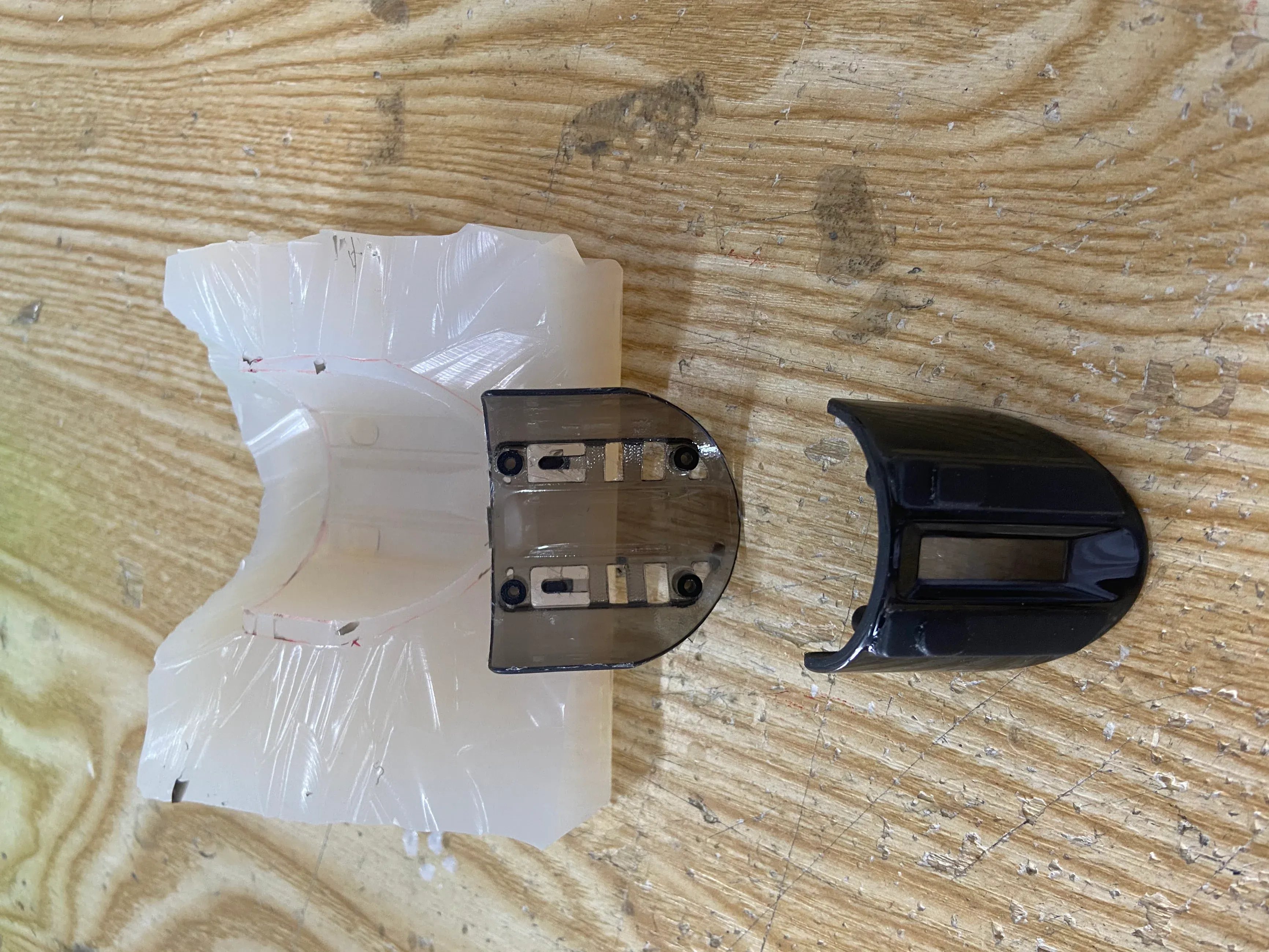
One valid process combination is an ABS CNC-machined master pattern, a silicone mold and PX223 polyurethane casting resin. PX223 is the casting resin, not the silicone mold material.
This is a process example rather than a promise that the same combination suits every part. The master pattern, part geometry, wall thickness, quantity and specified material requirements must be reviewed together for each quotation.
Mold Life and Quantity Planning
Around 20 usable castings per silicone mold is a reasonable planning reference for many projects, but it is not a guaranteed output. Part geometry and wall thickness affect actual mold life. Complex, thin-wall or deep-draw parts may reduce the number of usable castings.
State the total required quantity at the RFQ stage. It affects the number of molds, production planning, cost and delivery review.
Critical Dimensions and Acceptance Requirements
Vacuum casting does not have one universal tolerance that applies to every feature. The master pattern, silicone mold, casting resin, demolding direction and finishing operations can all influence the final dimensions.
Mark the dimensions that control fit, sealing, fastening or assembly on the 2D drawing. Dimensions that are only nominal references should not be assigned unnecessarily tight tolerances.
For the engineering factors behind accuracy and mold variation, review our vacuum casting tolerances and RFQ guide.
Inspection and Documentation Scope
Vacuum-cast parts are checked with calipers, micrometers and height gauges for basic dimensional verification. YSBK does not have in-house CMM or optical measuring equipment. Full-dimensional reports and CMM reports are not provided by default.
First-part photographs and key-dimension records must be agreed during the RFQ stage. They are not automatically included in the quotation scope unless specified.
What to Send for a Vacuum Casting Review
For a project-specific review, submit:
- the approved 3D CAD or STEP file;
- the matching 2D drawing, when available;
- quantity;
- specified resin grade or material requirements;
- color and appearance requirements;
- critical dimensions and tolerance notes;
- insert, thread or assembly information;
- inspection and documentation requirements.
If the CAD model, drawing or revision is not final, identify that before quotation. Production should be based on the customer-approved file set rather than an undocumented prototype change.
Vacuum Casting FAQ
Is a STEP file enough for quotation?
A STEP file may be sufficient for nominal geometry, but add a 2D drawing when critical dimensions, tolerances, threads, inserts, surface requirements or inspection records must be controlled.
How many parts can one silicone mold produce?
Around 20 usable castings per mold is a planning reference, not a guarantee. Geometry, wall thickness and demolding difficulty affect actual mold life.
Are first-part photographs and dimensional reports included?
No. First-part photographs, key-dimension records and other project-specific reports must be defined and agreed during RFQ. They are not included automatically.
Request a Vacuum Casting Manufacturing Review
Send the approved CAD or STEP file with the quantity, material requirements, critical dimensions, appearance requirements and inspection scope. YSBK will review the defined part and quotation requirements.
For an overview of the complete process, see our vacuum casting service. For dimensional risks and drawing requirements, review our vacuum casting tolerances and RFQ guide.