Custom CNC Machined Steel Parts
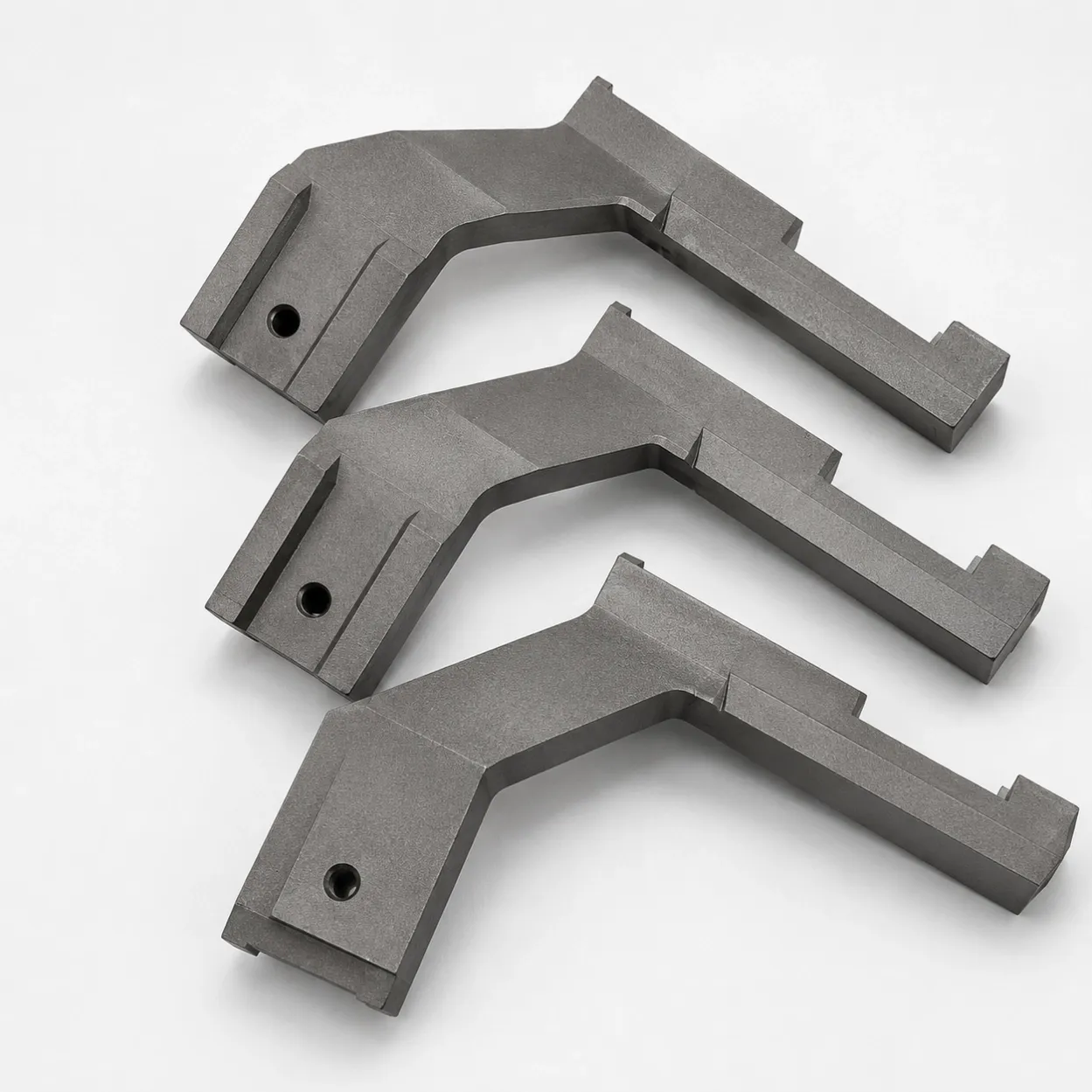
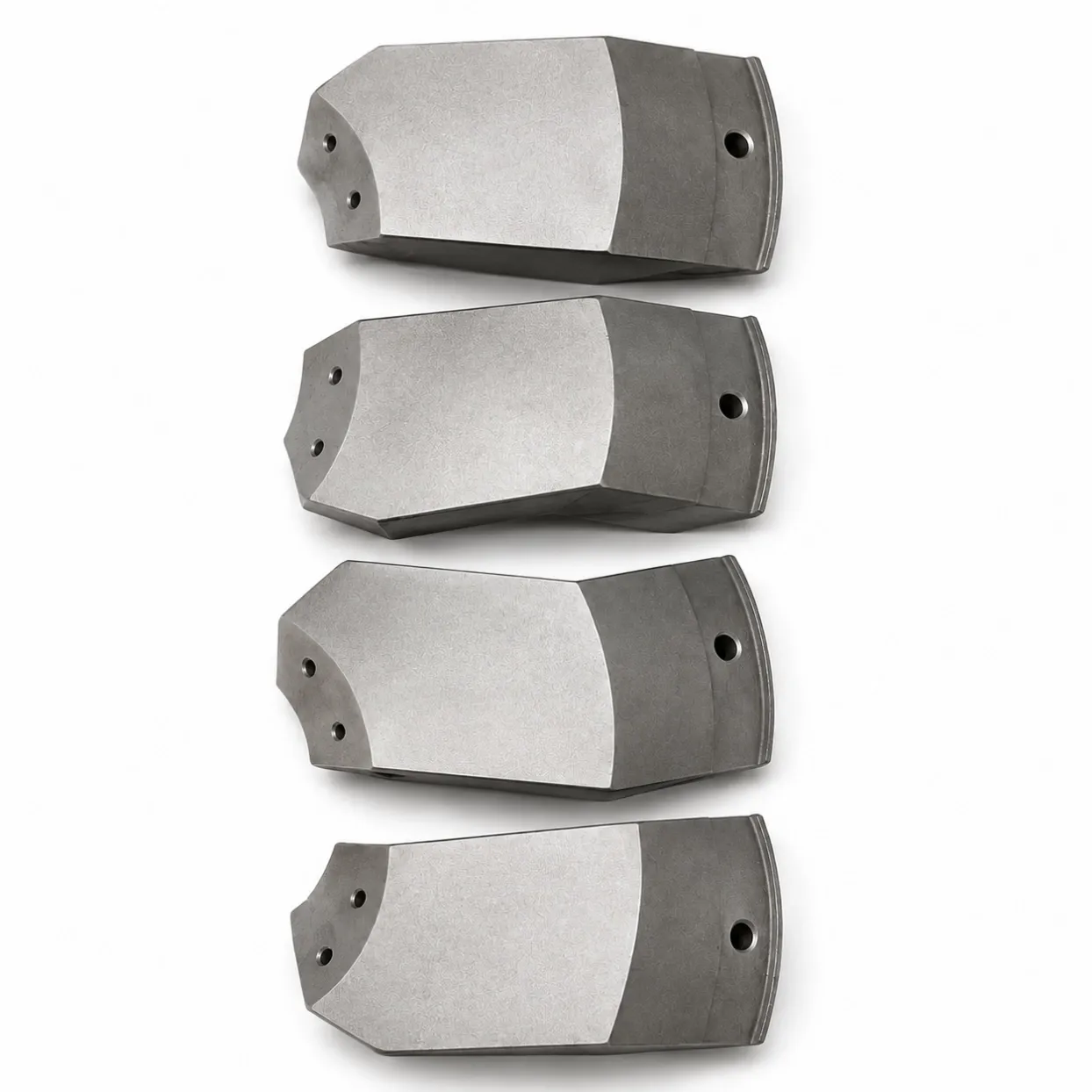
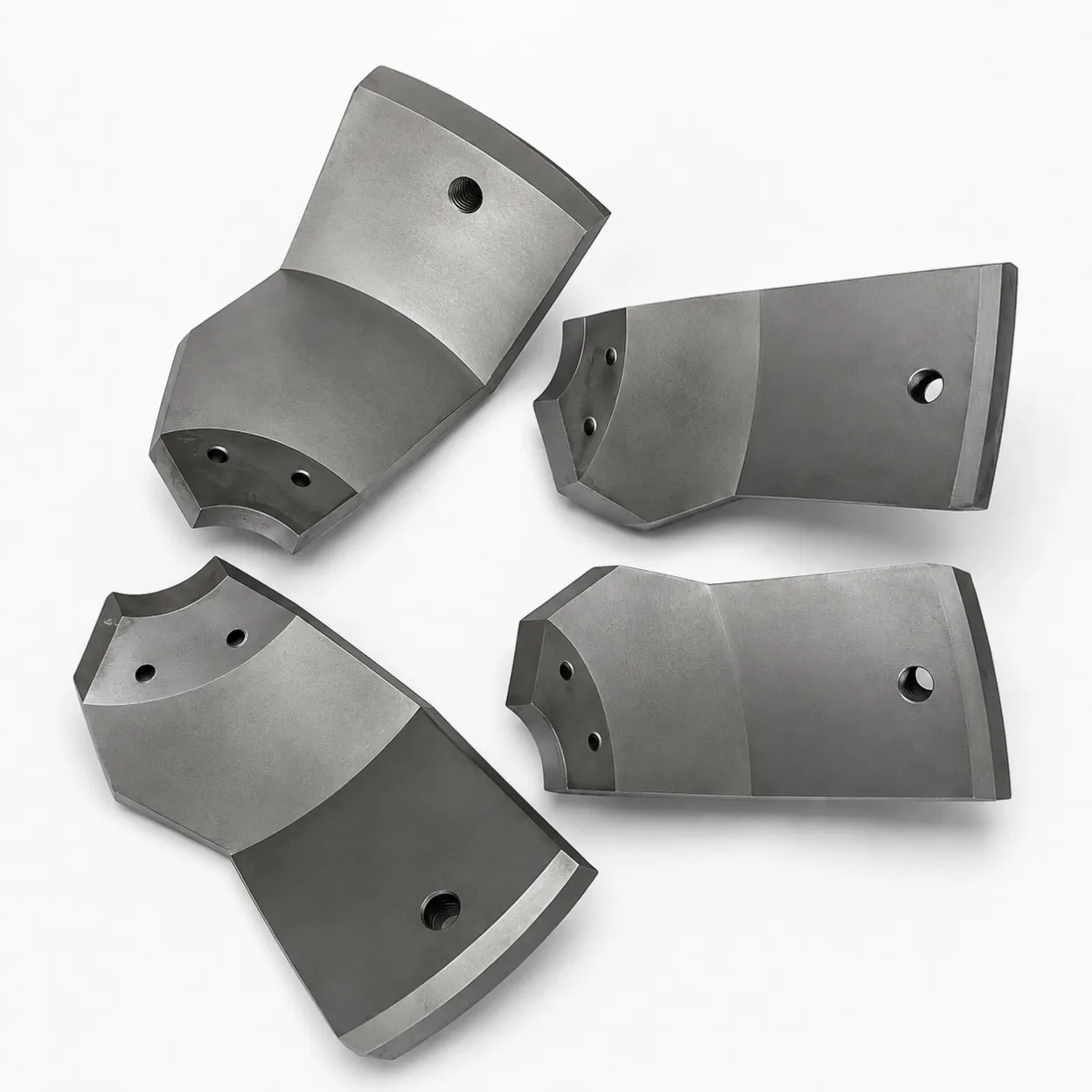
Custom CNC machined 4140, 4140 PHT, A2 tool steel and carbon steel parts for prototypes and low-volume production. Material, heat treatment, finishes and inspection are confirmed per RFQ.
Custom CNC machined steel parts are manufactured from customer-approved drawings and CAD files for prototypes, one-off requirements and low-volume production.
This page covers carbon steel, alloy steel and tool steel, including 4140, 4140 PHT, A2 tool steel and carbon steels such as 1018 and 1045. Stainless steel is covered on a separate dedicated page.
A drawing that identifies the material only as “steel” does not provide enough information for a reliable quotation. The RFQ should define the complete grade, supplied condition, required hardness or heat-treatment condition, critical tolerances, surface finish and inspection requirements.
Raw-material availability for 4140, 4140 PHT, A2 tool steel and carbon steel must be confirmed for every order during the RFQ stage. YSBK will not substitute one steel grade for another without written customer approval.
Drawing and CAD Requirements for Machined Steel Parts
Submit a controlled manufacturing package that identifies:
- Part number and drawing revision
- 2D drawing and STEP or other agreed 3D CAD file
- Complete steel grade
- Supplied material condition
- Required hardness
- Heat-treatment requirements and process sequence
- Critical dimensions, tolerances and datums
- Bore fits and positional requirements
- Thread standard, class, depth and quantity
- Surface-roughness requirements
- Secondary finish and masked areas
- Inspection and documentation requirements
- Material certificate or lot-traceability requirements
- Prototype and production quantities
If the drawing, CAD model, purchase order or written specification conflicts, the controlling requirement must be confirmed before quotation or production. YSBK does not choose between conflicting design files without customer approval.
For related file-control guidance, see Build-to-Print Manufacturing and 2D Drawing vs. 3D CAD for CNC Quotation.
Steel Grades Reviewed for CNC Machining
4140 Alloy Steel
4140 is reviewed for parts that require a combination of strength, toughness and wear resistance. The drawing should identify the material condition, hardness requirements and whether machining occurs before or after heat treatment.
4140 PHT
4140 PHT is supplied in a pre-hardened condition. The specified hardness and stock size must be reviewed with the machining requirements because tool load, feature depth and dimensional stability can affect feasibility. See our guide to 4140 PHT machining, hardness and tolerances.
A2 Tool Steel
A2 tool steel may be used where wear resistance and hardness are required. If the part will be hardened after rough machining, the drawing should identify the final required condition and the dimensions that must be controlled after heat treatment.
Carbon Steel
Carbon steels such as 1018 and 1045 may be reviewed when the exact grade and condition are specified. “Carbon steel” alone is not a complete material callout because machinability, hardness and finishing behavior vary by grade and supplied condition.
Steel Machining Considerations
Heat-Treatment Distortion
Quenching, tempering, aging and carburizing can change flatness, straightness, bore geometry and feature position. The drawing should identify which critical dimensions apply after heat treatment and whether finish machining is permitted.
Machining Stress and Material Removal
Thin walls, large pockets and uneven material removal can release stress and cause movement after unclamping. Geometry, stock condition, workholding and the machining sequence must be reviewed together when flatness, parallelism or positional accuracy is important.
Hardened Features and Secondary Machining
Machining after hardening may require different tools, processes or tolerances. A2 tool steel and hardened 4140 features should be evaluated before quotation. Heat-treated surfaces should not be assumed to allow unrestricted secondary machining.
Burrs, Threads and Edge Conditions
Threads, cross-holes, deep bores and intersecting features may create internal burrs or access limitations. Thread class, depth, entry condition and deburring requirements should be stated on the drawing rather than inferred from the 3D model.
Subcontracted Heat Treatment
Heat treatment including quenching, tempering, aging and carburizing is coordinated through external subcontractors. It is not performed in-house.
Feasibility, cost and lead time are reviewed for each RFQ. The customer must specify the required grade, starting condition, final hardness or heat-treatment condition and the dimensions that remain critical after treatment. YSBK does not select the customer’s required heat-treatment condition.
Subcontracted Surface Finishing
Secondary finishes can be coordinated as subcontract work, including:
- Black oxide
- Zinc plating
- Nickel plating
- Painting
- Powder coating
- Laser marking
These finishes are not performed in-house. Feasibility, cost and lead time are evaluated per RFQ. Coating thickness, masking, dimensional change and the sequence between machining, heat treatment and finishing should be defined before quotation.
For sequencing considerations, see Black Oxide After Heat Treatment.
Inspection and Documentation
Parts are inspected using calipers, micrometers, depth gauges and height gauges for basic dimensional verification. YSBK does not have in-house CMM or optical inspection equipment.
Full-dimensional reports, CMM reports, first-part photographs and key-dimension records are not provided by default. Any required photographs, recorded dimensions, inspection condition or report format must be agreed during the RFQ stage.
Material certificates and lot or heat traceability documents are issued by raw-material suppliers. Heat-treatment and finishing documents are issued by the relevant subcontractors. These documents must be confirmed per RFQ and are not automatically included with shipment.
Material selection, design approval and validation of the complete assembly remain the customer’s responsibility. YSBK reviews machining feasibility against the submitted manufacturing files.
Prototype and Repeat Production
The minimum order quantity is one part, allowing a single prototype or replacement component to be reviewed before a repeat order.
Manual fitting, grinding or other undocumented changes made during prototype testing do not automatically become production requirements. If the accepted prototype differs from the released drawing or CAD model, the manufacturing files should be updated and approved before repeat production.
Quotation timing depends on drawing complexity, material sourcing, heat treatment, subcontract finishing and inspection requirements.
What to Send for a Steel Machining RFQ
For a useful manufacturing review, provide:
- Part number and revision
- 2D drawing
- STEP or other agreed 3D CAD file
- Exact steel grade
- Supplied material condition
- Required hardness or heat-treatment condition
- Critical dimensions and tolerances
- Datums and geometric controls
- Bore fits and positional requirements
- Thread specifications
- Surface-roughness requirements
- Secondary finish and masking notes
- Inspection and documentation requirements
- Material certificate or traceability requirements
- Prototype and production quantities
- Any assembly or functional requirements that affect manufacturing
Frequently Asked Questions
What steel grades does YSBK machine?
YSBK reviews 4140, 4140 PHT, A2 tool steel and carbon steel grades such as 1018 and 1045. Raw-material availability must be confirmed for each RFQ.
Does this page include stainless steel?
No. This page covers carbon, alloy and tool steel. Stainless steel is addressed on the dedicated Custom CNC Machined Stainless Steel Parts page.
Can YSBK manufacture one steel prototype?
Yes. MOQ is one part. Submit the production-intent material, drawing revision, heat-treatment condition and inspection requirements if the prototype will be used to approve a repeat batch.
Is heat treatment performed in-house?
No. Quenching, tempering, aging and carburizing are coordinated through subcontractors. Feasibility, cost and lead time are evaluated per RFQ.
Can YSBK coordinate black oxide or plating?
Black oxide, zinc plating and nickel plating can be coordinated as subcontract work. Coating, masking and dimensional requirements must be reviewed for each order.
Is a material certificate included?
No. Material certificates and lot or heat traceability documents are supplied by raw-material vendors and are not included automatically. Request them during RFQ so availability can be confirmed.
Does YSBK provide CMM reports?
YSBK does not have in-house CMM or optical inspection equipment. Full-dimensional and CMM reports are not provided by default. Agree any required inspection record before quotation.
Can I request a quotation with only a STEP file?
A STEP file can support geometry review, but it may not define tolerances, threads, datums, hardness, heat treatment, finishes or inspection requirements. Provide a 2D drawing or written manufacturing specification where these details apply.
Request a Steel Machining Review
Send the approved drawing, CAD model, exact steel grade, supplied condition, required quantity, critical tolerances, heat-treatment condition, finish and inspection requirements. We will review the manufacturing information and identify any points that need clarification before quotation.