CNC Machining Guides
If Custom Machined Parts Arrive Wrong: Remake, Replace or Repair
What happens when custom machined parts arrive nonconforming — remake or replacement first, repair-cost coverage when local repair is faster, and the evidence that makes a claim smooth.
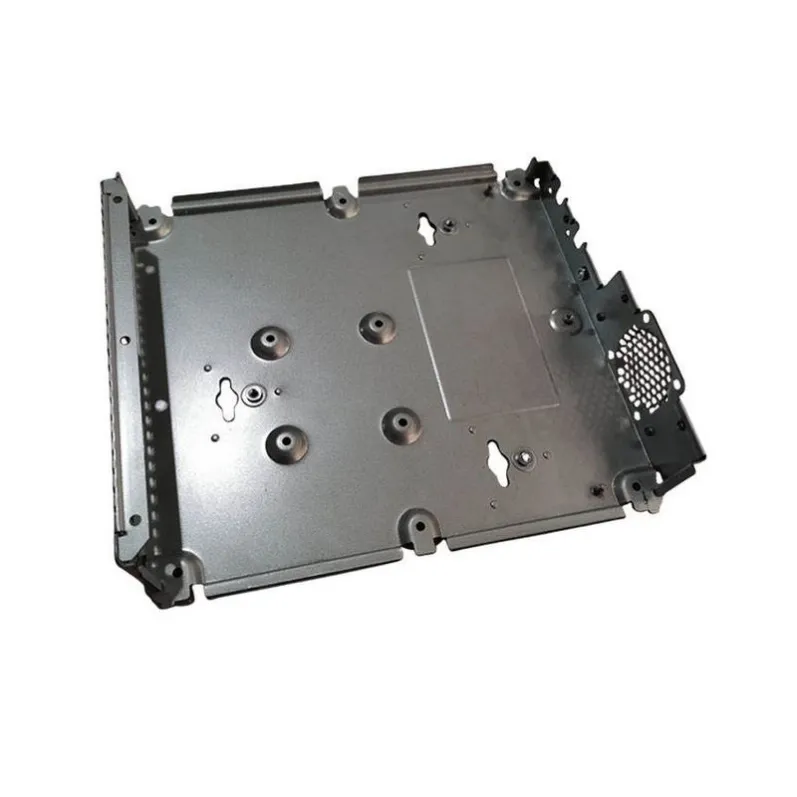
Nobody reads a page like this on a good day. You are reading it because a box arrived, something is wrong, and the supplier is eight thousand kilometers away. So: what actually happens, what we do about it, and what you can do before ordering to make any claim — yours or anyone's — fast and boring instead of slow and ugly.
Step one: show us what you see
A claim starts with evidence, and three photos settle most of it: the part as received, the problem area close up, and the part next to the drawing or a ruler for scale. Add the drawing revision number and which dimension or feature is off — measured values if you have them, a clear description if you do not. What slows claims down is not reluctance; it is vagueness. "The parts are bad" starts an investigation. "The bore on 12 of 50 parts measures 9.88 instead of 10.0 per the drawing" starts a solution. If a report came with the batch, have it handy — yours and ours get compared, and the gap between them is usually where the answer lives.
Step two: we check it against what was approved
Every claim gets checked against the approved drawing and the agreed scope — the revision you sent, the tolerances you marked, the reports that shipped with the parts. If the part matches the drawing and is still wrong, that is on us, fully. If the drawing said one thing and you needed another, that is a conversation about the next batch, not a fight about this one. This is why the pre-order discipline matters: the quality documents guide and the sample-first walkthrough are what make step two fast.
Step three: the fix, in order of speed
Three remedies, chosen by what gets you running fastest. A remake: wrong parts go back (or get scrapped on your side, photo documented) and correct ones are made — with the production slot prioritized, because our error should not sit in your queue. A replacement: if only some pieces are off, good parts ship for the bad ones without remaking the run. Or — the option buyers rarely know to ask about — repair on your side: if a local shop can fix the issue faster than shipping parts across an ocean (a reamed hole, a face re-cut, a thread chased), we cover the reasonable cost of that repair. Your production line does not care whose fix it is; it cares when the parts work. Tell us which route is fastest for you and the claim settles on paper.
What this looks like in practice
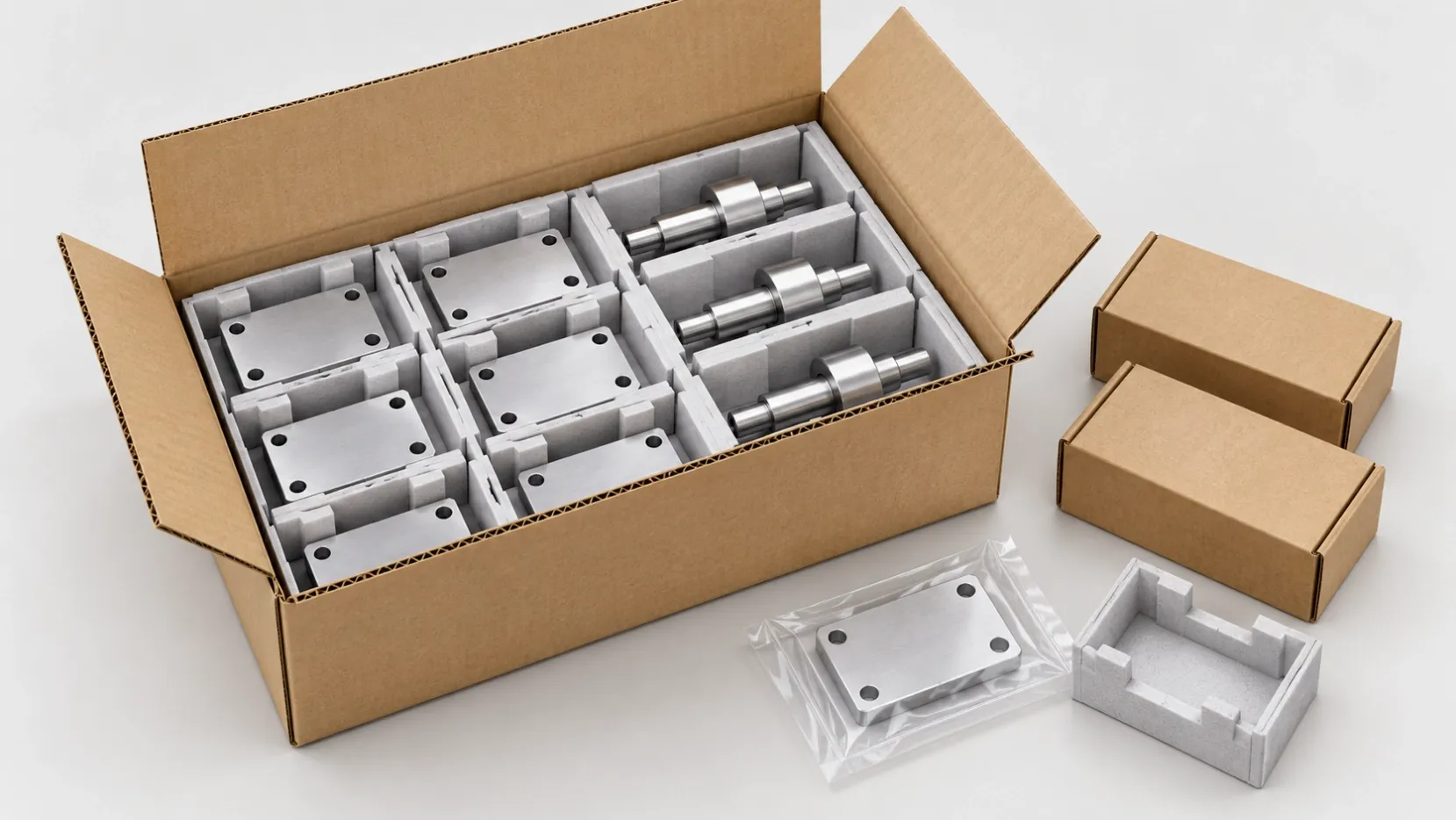
A batch of mounting plates arrived with a coating scratch on twelve of forty. The buyer sent photos with a ruler in frame within two days. The scratch was ours — a packaging fault, visible in the packing photos we keep. Re-plating was arranged locally at a shop near the buyer; the invoice came to us and was paid with the next order's discount. Total cycle from photo to resolution: under two weeks, no ocean shipping in either direction. The unglamorous truth about claims: the ones handled well are the ones nobody posts about — they just end with working parts and a buyer who reorders.
First custom order? You are not powerless
The fear behind every first order from a new country: "what recourse do I actually have?" Here is the honest structure. Your protection was built before the parts were made — the itemized quote, the approved drawing, the named inspection scope, the sample you approved in writing. Those four documents decide claims in days. Then the claim itself is a defined path, not a negotiation from zero: evidence, verification against the approved scope, and a fix ladder that starts with getting you running. What you should never accept from any supplier is silence, a counter-blame, or a request to pay for their mistake's shipping. Neither should you expect the impossible: parts that match a drawing you changed mid-order are not a claim, they are a new order.
If claims are part of your job
Experienced buyers write the remedy into the RFQ: "nonconforming parts replaced or remade at supplier cost; where local repair is faster, repair costs borne by supplier with prior approval; claims window 30 days from receipt; evidence by photos and measured values." Putting it in writing is not distrust — it is what makes both sides fast, because the path was agreed when everyone was friendly. The supplier vetting guide adds the checks that make claims rare: report samples, first articles and file discipline before the first order.
Order with a working safety net
Send your drawing for a quote — and if you want the claims path in writing, ask for it in the same message. It should be in every quote you receive, from us and from anyone.