CNC Machining Guides
How to Check Custom Machined Parts on Arrival: A Buyer's Incoming Inspection
A thirty-minute arrival check for custom machined parts — photos before opening, the visual pass, critical dimensions, the fit test, sampling for bigger batches, and the record that protects claims.
The box arrives, the parts look fine, and the easiest thing to do is close the flaps and shelve them. Resist that. The moment of arrival is the strongest position you will ever have: the packing is intact, the evidence is fresh, and problems found today are supplier problems — problems found next month are your problems. This walkthrough takes about thirty minutes with a caliper, a phone and the drawing. It is written for buyers with no inspection background; if you run incoming inspection professionally, skim for the sampling and record-keeping notes.
Before opening: photograph the shipping condition
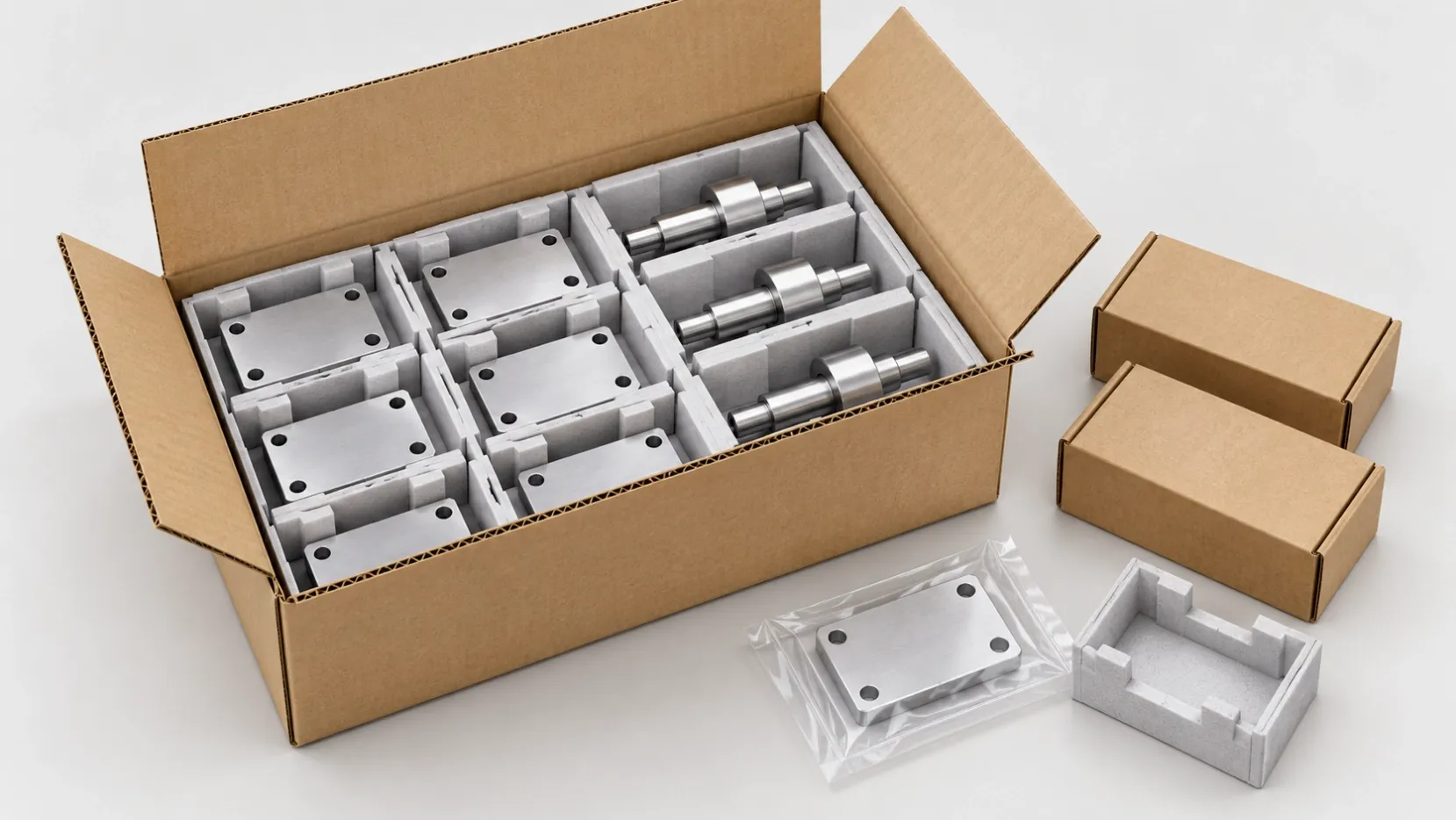
Two photos, thirty seconds: the box as it arrived, and the packing material inside. If the carton is crushed or soaked, photograph it before opening — carrier claims and packaging claims are different conversations, and they need this evidence. Then count. Quantity against the packing list first, because a shortage claim has a clock on it and the clock started at delivery.
The visual pass: sixty seconds per part
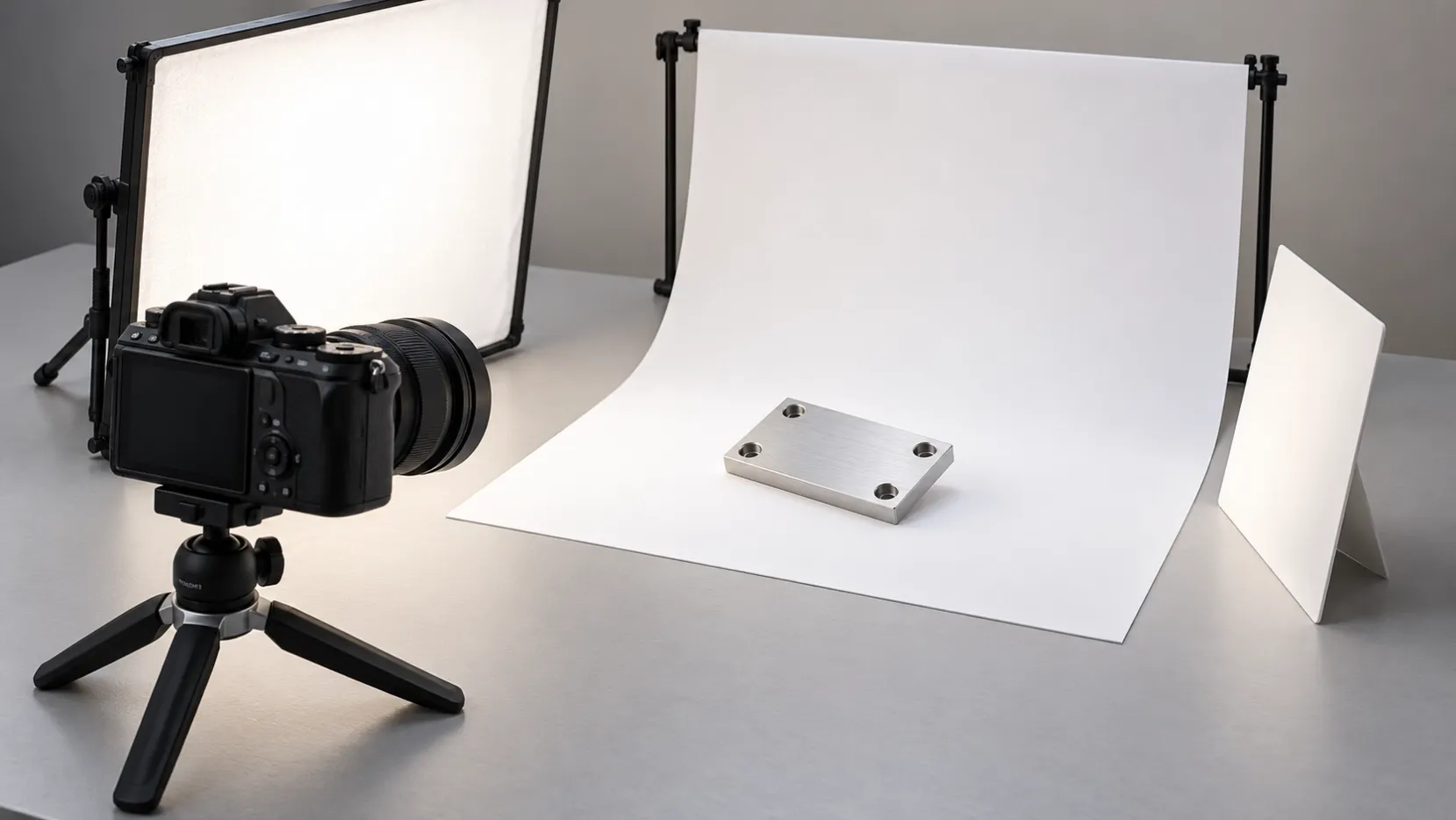
Lay the parts out on a clean surface — a towel, not bare metal on metal. Look for the five things that need no drawing: scratches and dents on cosmetic faces, burrs on edges (run a finger along each machined edge — burrs are the most common finishing miss), thread condition (start the mating screw or a thread gauge if you have one — it should run by hand), surface finish problems on faces you marked critical, and corrosion or staining, which on steel parts shows up first around holes and edges. Photograph anything you find next to a ruler. If the parts carry a finish — anodize, plating, paint — check coverage and color against the sample or the drawing note.
The dimension pass: only the marked dimensions
Open the drawing and find the features you marked critical when ordering — the bores that locate, the faces that seal, the lengths that mate. Measure those with the caliper, one part at a time, and write the values down as you go; a note on paper beats memory every time. You are not re-measuring the whole part. You are answering one question: do the dimensions I called critical actually land where the drawing says? A caliper measures outside lengths, widths and large bores well enough for a go/no-go. Deep small bores and thread pitch diameters are factory-gauge territory — if those are your critical features, that is what the inspection report in the box was for; read it against the drawing.
The fit test: the honest one
If the part mates with something you own — the assembly, the mating bracket, the fastener — try it. Dry fit, no force. A part that needs a hammer was made wrong or drawn wrong, and either way you want to know before you install twenty of them. This single test catches more real problems than any dimension on the list, because the mating part is the truest gauge you own.
Sampling, if the batch is bigger than a few
For a box of fifty, checking every part by hand is its own project. A practical middle path: inspect the first five fully — visual, dimensions, fit — then sample roughly one in ten from different positions in the packing (top, middle, bottom; parts pack together and share fate). Any failure in the sample: stop and inspect the whole box. Found problems travel in clusters, and a failure in the bottom layer means the top five told you nothing.
Then write it down — even when everything passes
Five lines in a notebook or a note app: date, quantity received, what you checked, what passed, what you photographed. If everything is good, this record is why you can reorder with confidence. If something is wrong, this record — dated on arrival day, with photos — is what makes the claim a conversation instead of a dispute. The claims guide starts from exactly this evidence, and suppliers move fast on claims that arrive with photos, measurements and dates attached.
If you find a problem
Stop. Photograph before you do anything else — including before you try to fix it; a reamed-out oversize hole is evidence until you touch it. Then send the photos, the drawing references and your measured values in one message. What you should not do: install the bad ones "for now", throw the packing away, or wait until the whole batch fails in service. Arrival-day problems are the cheapest problems in sourcing — but only on arrival day.
Your next order starts here too
Thirty minutes of checking, one page of notes — and your reorder carries forward everything this one taught you. When you are ready to reorder or ready to quote a new part, send the drawing and tell us what your incoming check found on the last batch; a factory that wants that information is a factory planning to get the next batch right.