CNC Machining Guides
Machined or Sheet Metal? How to Choose the Right Process for Your Bracket
How to choose between machined and sheet metal for brackets — section thickness, tolerances, the quantity crossover, weight and finish — including the both-ways quote that settles close calls.
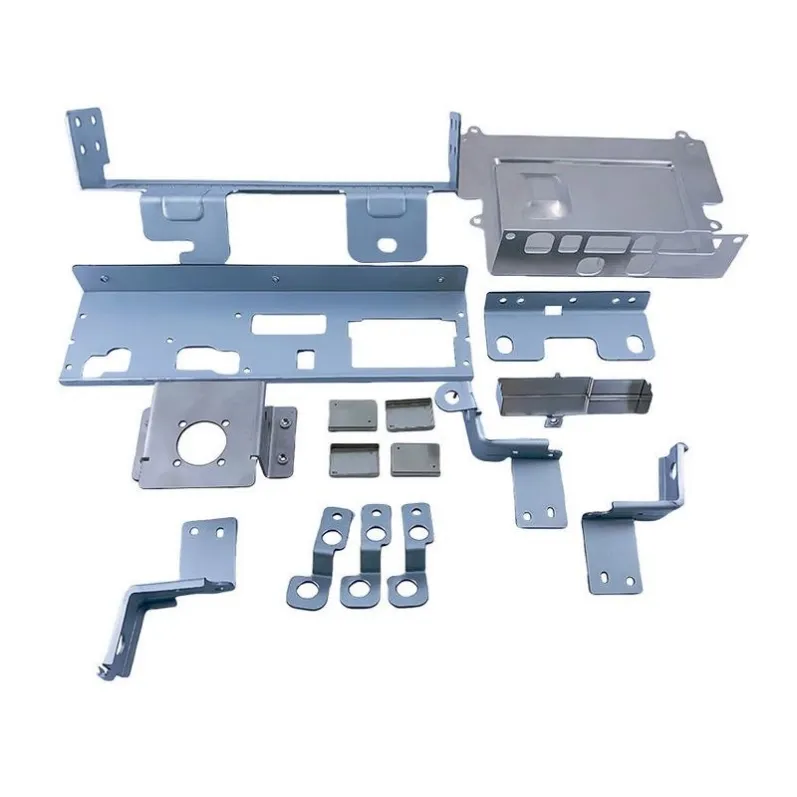
The bracket on your screen exists in two possible worlds. In one, it is carved from a thick block of aluminum — heavy, dense, every feature cut from solid. In the other, it is folded from a 2 mm sheet — light, flanged, made in four bends. Both carry the same load in the CAD file. Only one of them is right for your quantity, your loads and your budget, and the way to find out is not a hunch. It is a short decision tree, walked in order.
First branch: where does the thickness go?
Sheet metal is one thickness everywhere. A bent bracket is 2 mm at the flange, 2 mm at the web, 2 mm everywhere — including where you wish it were stiffer or thicker. Machined parts break that rule: 12 mm at the base, 3 mm at a lightened rib, a bore deeper than the material around it. So ask the part: does any section need to be thicker than another, or contain a thick boss for a thread? Yes — that leans machined. Uniform thin section, mostly flat with bends — that leans sheet.
Second branch: what do the tolerances sit on?
Precision bores, a sealing face, dowel-located positions — these are machining's native language, cut in one setup and measured in one place. Sheet metal holds its tolerances differently: hole-to-hole accuracy across a bend, flatness after forming, and the springback the fabricator compensates for. If the part's function lives in a precision bore machined across a thick section, sheet metal cannot follow. If the function lives in consistent holes and clean bends on thin material, machining adds cost without adding capability — the bending tolerance guide shows what formed parts hold.
Third branch: the quantity crossover
Machining carries setup and machine time per part; sheet carries tooling — a simple bend setup is modest, but progressive dies for complex brackets are not. The crossover moves with complexity, so no honest table can put one number on it. The pattern that does hold: at small quantities, machined brackets from stock frequently beat tooled sheet work on total cost; at larger quantities, formed sheet pulls ahead and keeps pulling. If your batch sits near the crossover, get both quoted on the same drawing — the comparison routine works across processes exactly as it does across suppliers.
Fourth branch: weight and the finish plan
Thin sheet is light, and anodized aluminum sheet looks finished out of the box. Machined brackets can be lighter in one specific sense — material only where structure needs it — but per part, formed sheet usually wins the scale. Finishing differs too: powder coat and anodize both apply to either world, but machined edges are sharp and need breaking, while formed edges carry a radius from the bend. State the finish on the drawing either way; both processes price it honestly when it is named at RFQ.
The hybrid nobody quotes until asked
Real products often want both: a bent sheet body for lightness, with machined inserts or a machined mounting plate where precision and threads live. The two processes are not rivals so much as partners with different bills. Ask the supplier to quote the assembly both ways — all machined, versus formed body with machined details — and the crossover reveals itself in actual numbers instead of guesses.
Walked the tree? Send both branches to quoting
Send your drawing once and ask for it both ways if the tree is close: we quote CNC machining and sheet metal fabrication under one roof, and if one route is clearly wrong for your part, the quote will say that instead of quietly winning.