How Vacuum Casting Works: 7 Steps & Buyer Approval Checklist
Follow vacuum casting from CAD and master to molds, samples and shipment. Includes buyer approval points, a 24-part planning example and a practical RFQ checklist.
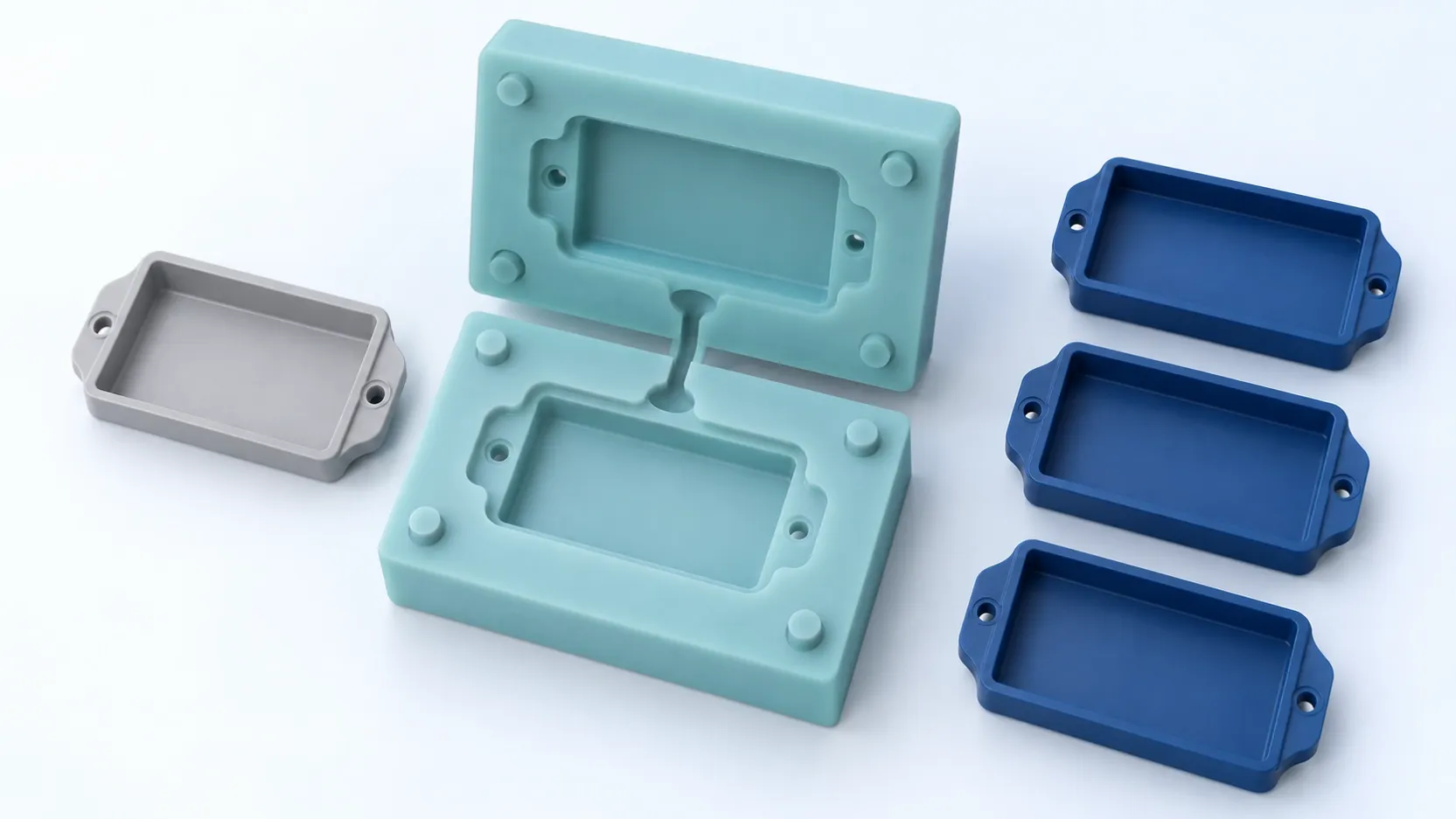
Vacuum casting makes polyurethane parts by reproducing an approved master in a silicone mold, then mixing, casting and curing a compatible resin. For a buyer, the important question is not only how the process works: it is what to approve before tooling, before the balance batch and before shipment.
This guide follows seven stages from your files to delivered parts. It separates the information you supply, the supplier's manufacturing review and the approvals that should be agreed in the quotation. It concerns polyurethane vacuum casting in silicone molds, not metal vacuum casting.
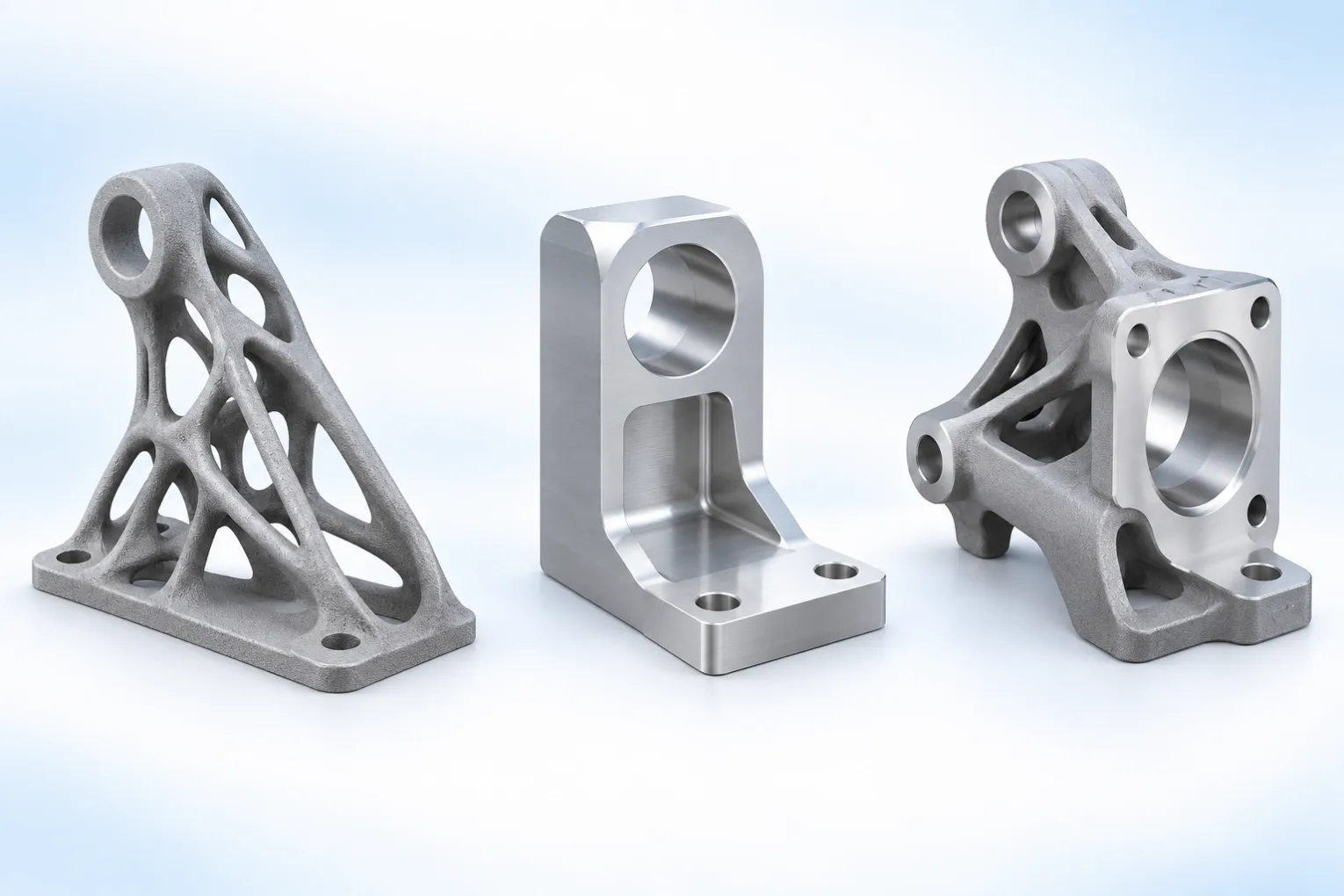
The cover is an AI-generated explanatory illustration of a master, an opened mold and matching parts. It is not a photograph of YSBK equipment or a customer order.
Is vacuum casting the right route for your order?
The process can suit prototypes, demonstration assemblies and low-volume parts when the geometry is approved but production injection tooling is not justified. The master and silicone tooling add preparation work, so a one-off part or a design changing every day may be better evaluated by another route. Ask for a comparison based on the finished requirement, not a universal quantity cutoff.
A polyurethane described as ABS-like or PP-like is not automatically the same material as injection-molded ABS or PP. Identify the properties that matter: rigidity, flexibility, temperature exposure, appearance and assembly behavior. Functional testing may require the intended production material or additional validation.
For YSBK's part-specific submission requirements, see vacuum casting parts for low-volume production. The quotation should confirm the material, quantity, critical features, finish and checking scope.
What different buyers need from the same process
- Experienced wholesalers and repeat purchasers: ask for the cost split, mold-life assumptions, agreed checking plan and how repeat orders will reference the approved revision. A low unit price is incomplete if replacement tooling or finishing is excluded.
- Trading companies: name the person who can approve the master, sample and deviations on behalf of the end customer. Keep one controlled set of files rather than forwarding conflicting revisions.
- E-commerce sellers and store owners: define variants, visible surfaces, supplied contents, labels and protection. A good-looking sample does not prove that every unit fits the product you sell.
- First-time buyers: start with a CAD file, intended use, quantity and marked critical areas. Ask the supplier to explain unresolved requirements and the next approval, rather than guessing resin grades or tolerances.
1. Review the files and freeze the RFQ scope
Provide the latest approved 3D CAD or STEP file. Add a drawing for critical dimensions, interfaces, tolerances, inserts, threads and inspection notes. Name the file revision and clarify which document controls if the model and drawing disagree.
Confirm quantity, color split, cosmetic faces and required delivery date before work starts. Material selection belongs here, not after the mold is ready. Ask which resin is proposed, which properties its data sheet supports and whether those properties meet your use. Do not treat a generic material nickname as a complete specification.
Buyer checkpoint: a written scope identifying the current files, assumptions, exclusions and approval owner. If you do not have approved geometry yet, resolve the design work before asking for a firm production commitment.
2. Make and approve the master pattern
The master establishes the geometry and surface that the silicone mold will reproduce. It may be machined or made by a suitable additive process, then prepared for molding. Tooling compatibility and the required surface matter as well as the master manufacturing method.
Review critical features and visible surfaces before mold manufacture. Photographs can help communicate broad appearance, but they cannot establish close color, a measured dimension or a functional fit. Agree whether a physical master, a dimensional record or another review method is needed.
Buyer checkpoint: approve the master revision and the agreed review evidence. Ask what a later design change would require; it may mean a new master, mold or finishing work rather than a free file substitution.
3. Build the silicone mold and plan the filling route
Silicone is formed around the master and allowed to cure according to the selected material and process. The mold is opened or separated so the master can be removed. The mold design includes the split, gates, vents and any features needed to release the casting.
Cure time is not universally “overnight,” and mold output is not a fixed number of parts. Geometry, resin chemistry, temperature, handling and acceptance limits can affect usable mold life. A plan must distinguish the required number of accepted parts from the estimated number of casting cycles.
Buyer checkpoint: agree where gate witnesses and parting lines may occur, especially near cosmetic or mating surfaces. Ask for the mold-count and replacement assumptions behind the quote. You do not need to become the mold designer, but the consequences for appearance, cost and quantity must be clear.
4. Prepare, mix and cast the specified polyurethane
The resin components are measured and mixed using the selected system's instructions. Vacuum-assisted preparation and filling help reduce trapped air. The details depend on the equipment and resin; vacuum is not a guarantee that every geometry will fill perfectly or that every casting will be free of voids.
Renishaw's introduction to vacuum casting describes the sequence from silicone tooling through resin mixing, casting, curing and trimming. Its equipment examples and processing settings are not a specification for every resin or a claim about YSBK's installed machines.
Buyer checkpoint: obtain the agreed first cast parts or records before releasing the balance work. Define what is being approved: appearance, specified dimensions, assembly fit or a stated functional test. A photograph of the first casting cannot approve all four by itself.
5. Cure, demold and control the batch
The casting must reach the required demolding condition before removal. Any additional curing or conditioning follows the resin's requirements and the agreed acceptance stage. A part that can be removed from the mold has not automatically reached every final property.
Repeated casting can wear or damage the mold. Agree how the supplier will monitor the features that matter, how a deteriorating mold is handled and what evidence will accompany the batch. Sampling at different points in a run can be discussed; it is not a substitute for a project-specific checking plan.
Buyer checkpoint: distinguish first-sample approval from batch acceptance. Confirm the checking quantity, criteria and response if a part fails. Do not assume a fixed mold yield or 100% inspection unless that scope is written into the order.
6. Trim and finish to the approved requirement
Gates and flash are removed as specified. Some parts need only an agreed trimmed surface; others require selected faces to be blended, painted or otherwise finished. Identify features that must remain uncoated and dimensions that apply after finishing.
Keep color and cosmetic approval separate from the general process explanation. Our vacuum casting finishing and approval checklist covers pigmented resin versus paint, visible-face requirements and masking in more detail.
Buyer checkpoint: approve the agreed finish reference and any critical fit after finishing. Confirm the cost and schedule effect of changes before requesting a different color or surface midway through the order.
7. Check, identify, pack and release the shipment
The final batch should be checked against the agreed drawing, appearance standard, quantity and documentation scope. Specify the required records at RFQ, including which dimensions or characteristics they cover. Do not assume a material certificate, full measurement report or independent inspection is included.
Agree part identification and protection appropriate to the finished surface and shipment. For a trader or distributor, revision and variant identification can be as important as the outer carton count: the receiver needs to know which approved part each package contains.
Buyer checkpoint: reconcile accepted quantity, documentation, packing scope and shipping terms before release. Clarify who gives dispatch approval and what happens to any unresolved deviation.
Order-planning example: 24 covers with an approval hold
Hypothetical RFQ example, not a YSBK customer case: a buyer requests 24 rigid polyurethane enclosure covers, approximately 100 × 70 × 20 mm, for an indoor demonstration assembly. The dimensions are illustrative; the actual CAD, resin and acceptance requirements still need review.
| Decision | Requirement to write into the RFQ |
|---|---|
| Total quantity | 24 accepted parts; ask whether the two approval parts count toward this total |
| Approval split | If the two approved parts count, the balance is 22, not another 24 |
| Release point | Agree which work stops pending written sample approval and which preparation may continue |
| Tooling assumption | Supplier to state proposed mold count, expected usable output and replacement scope |
| Acceptance | Identify the mating rim, locating holes, visible faces and required checking records |
| Delivery | Separate preparation, sample review, balance production and dispatch; state the approval owner |
The arithmetic 2 + 22 = 24 controls the order quantity; it does not establish how many molds are needed. Nor does 24 accepted parts mean exactly 24 pours: trials or rejected castings may be involved. Ask how these are accounted for in the quotation rather than assuming a universal scrap allowance.
Compare quotes and schedules at the same approval points
Ask each supplier to separate master preparation, silicone tooling, sample work, batch casting, finishing, agreed checking, packing and freight. Check whether an additional mold, changed CAD or extra color is included. Compare the same revision and finished acceptance requirements.
A useful schedule shows dependencies: file release, master review, tooling, sample preparation, your approval, balance work and shipment. Ask whether lead time means ready to dispatch or delivered. Buyer review time, design changes and unsuccessful samples can change the sequence; a fast headline is not a complete delivery plan.
Send this information for a useful quotation
- Approved CAD and drawing revision, plus intended use.
- Required quantity, variants and whether approval pieces count toward the total.
- Specified resin or properties for review, including relevant exposure and test needs.
- Critical interfaces, dimensions, inserts and acceptance requirements.
- Marked cosmetic faces, finish and color references.
- Approval owner, required records, checking quantity and release stages.
- Packing needs, destination and target date.
Send YSBK your files and vacuum casting project requirements. Ask for confirmation of the proposed material, tooling assumptions, sample approval scope and quotation exclusions. If this is your first order, identify what you are unsure about so those questions can be resolved before production.
Common questions before the first order
Does every silicone mold produce 20 parts?
No. Usable output depends on the part, resin, mold and acceptance requirements. Ask for the assumption used for your quantity and what happens if another mold is needed.
Are vacuum cast ABS-like parts the same as molded ABS?
No. ABS-like describes a comparison of selected properties. Confirm the actual polyurethane and the properties relevant to the intended use.
Does approving a master approve the finished batch?
No. The master, first cast sample and final batch answer different questions. Define the evidence and acceptance scope for each approval.
What if the design changes after tooling?
Ask for a revised scope before proceeding. The change may affect the master, silicone mold, samples, finishing and delivery plan; its impact depends on the actual feature and stage.