Vacuum Casting Finishing: Color, Paint & Buyer RFQ Checklist
Specify vacuum cast part color, paint, gate marks and masked faces before ordering. Includes a 30-part RFQ example, sample approval steps and a finishing checklist.
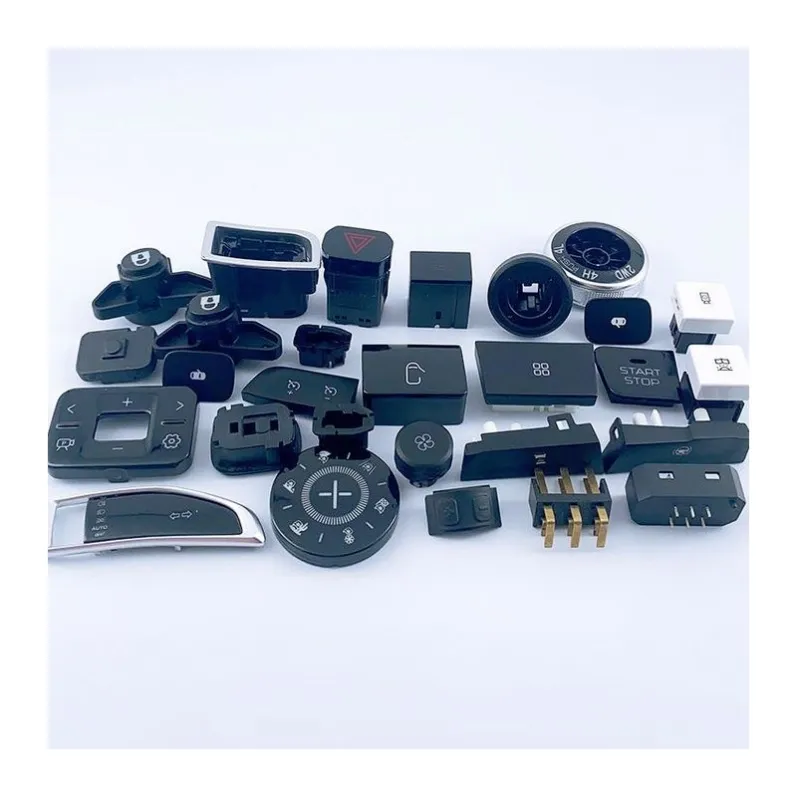
Vacuum casting finishing should be agreed before you approve a small batch: which surfaces must look good, where trimming marks may remain, how color will be approved and which features must stay free of paint. “Black, smooth finish” leaves too much room for different quotations and different expectations.
This guide helps buyers turn an appearance requirement into a usable RFQ. For experienced importers and distributors, the aim is a repeatable acceptance standard. For first-time buyers, the aim is a clear sequence from marked drawing to approved sample and batch release.
Start with what your customer will see and touch
A front cover for a demonstration unit, an internal support and a replacement control knob do not need the same finishing scope. Describe the use before selecting paint or polishing. Include handling, cleaning, indoor or outdoor exposure and contact with mating parts. Appearance alone does not establish durability or chemical resistance.
- Wholesalers and repeat buyers: identify the approved reference, part revision and batch labeling. Ask how later orders will be compared with the retained reference; a color name alone does not control repeatability.
- Trading companies: obtain the end customer's written approval of visible faces, color and acceptable marks. Send that same requirement to the manufacturer rather than passing on “premium finish.”
- E-commerce sellers and store owners: agree which surfaces appear in listings, how variants are identified and how finished parts will be protected. A studio photograph is not a physical color standard.
- First-time buyers: send the CAD file, a marked image and an explanation of the intended use. Ask the supplier to identify open questions before committing to a batch.
Compare finishing routes by the outcome you need
| Requirement | Route to discuss | What must be confirmed |
|---|---|---|
| Internal, non-cosmetic component | Trimmed as-cast surface | Permitted gate witnesses, flash removal and functional clearances |
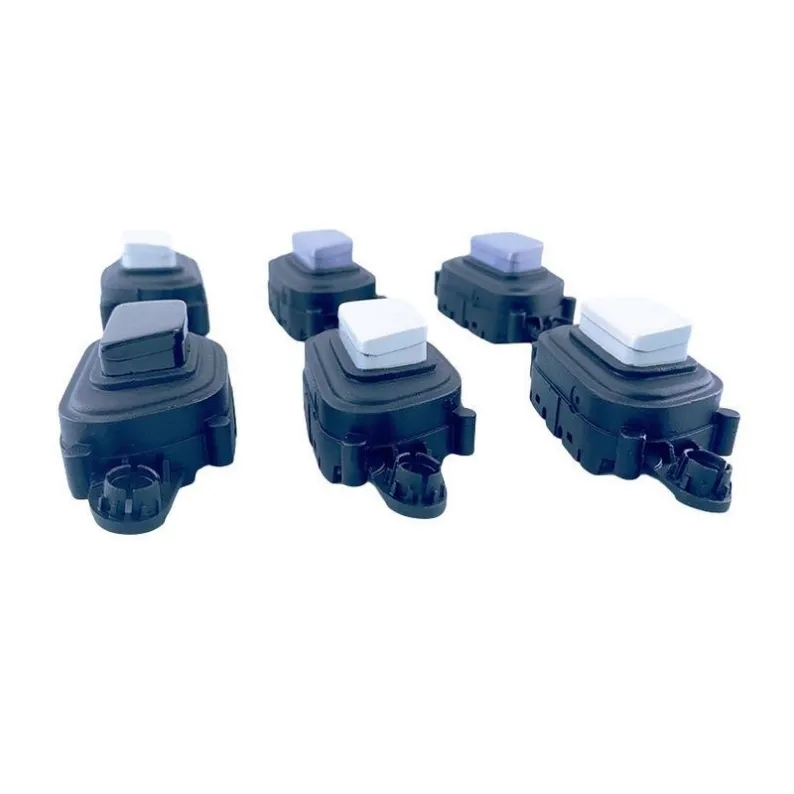
| Color through the part | Pigmented polyurethane | Compatible resin and pigment, opacity and representative cured sample |
| Controlled external color and sheen | Prepared and painted surfaces | Substrate preparation, coating system, masked faces and approval reference |
| Texture or a matched feel | Master texture and/or a qualified coating | Where texture comes from and whether it changes detail or fit |
| Clear or translucent appearance | Suitable resin with an agreed finishing route | Haze, visible flow or witness marks, wall thickness and viewing conditions |
These are options to evaluate, not a promise that every resin, geometry or finish combination is available. Confirm feasibility and scope in the quotation. YSBK's vacuum casting parts page is the next step for a part-specific manufacturing enquiry.
Pigmented resin versus paint: ask for a sample, not a guarantee
Pigment added during casting colors the resin body; paint creates a surface coating. Neither route automatically provides an exact match, scratch resistance or outdoor stability. A scratched pigmented part may still show a change in appearance, and a painted part's performance depends on the resin, preparation and coating system.
A RAL or Pantone reference gives a starting target. Agree a physical plaque or representative part, the sheen and the viewing conditions before approval. For translucent parts, wall thickness and lighting affect what the buyer sees. A phone image or monitor comparison cannot settle a close color dispute.
Smooth-On's resin-painting guidance explains that release residues and coating compatibility can affect paint adhesion. Ask for a representative trial using the proposed material and finish when adhesion, flexing or cleaning resistance matters. Follow the selected material and coating documentation; do not substitute a universal paint recipe.
Specify gate marks and parting lines by surface
Gate witnesses and parting lines are associated with molding, but their acceptance depends on the agreed requirement. Excess flash, an exposed sharp edge or a mark on a prohibited cosmetic area can still be unacceptable. Avoid both “no marks anywhere” and “all process marks are acceptable.”
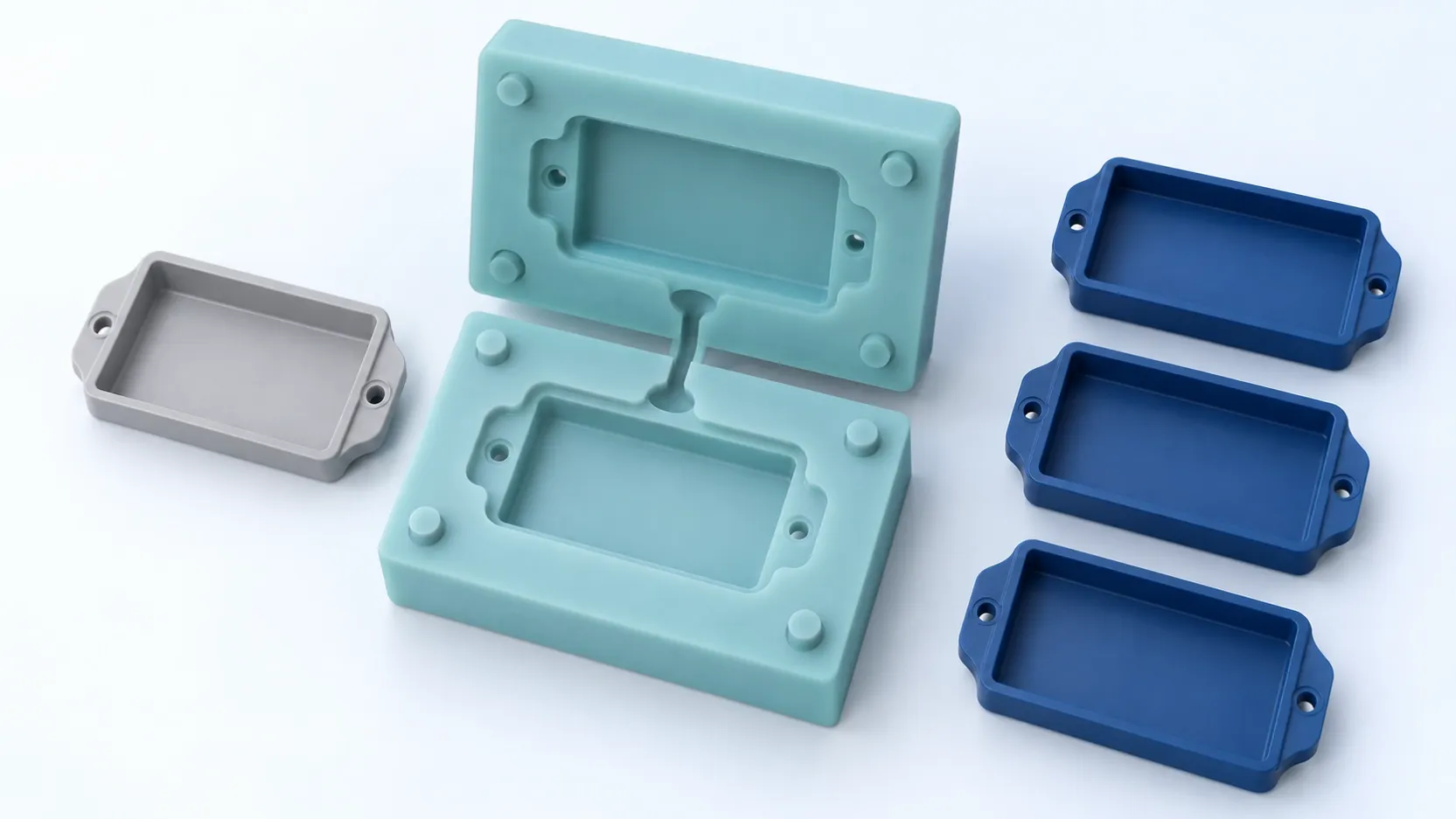
Mark visible faces A, B and hidden faces C on a drawing or annotated view. These are your project labels, not automatic industry quality grades. Ask the supplier to propose gate, vent and mold split locations during the tooling review. The approved master helps determine texture and geometry, but the silicone mold layout also governs where gates and parting lines occur.
For each face, state whether trimming, blending, sanding or painting is required. Removing a witness must not remove necessary geometry or round a sealing edge. A cosmetic face should be compared with an agreed reference under agreed conditions, rather than judged differently by every receiver.
Keep paint away from features that control assembly
Identify holes, locating faces, snap features, threads and sealing areas that must remain uncoated or require a defined coating allowance. Coating build can change clearance, and preparation can soften small edges. State whether critical dimensions apply to the finished part.
Illustrative fit check: a slot measures 10.20 mm before coating. If the specified coating deposits 0.05 mm on each opposing wall, the nominal opening becomes 10.10 mm: 10.20 − 2 × 0.05. This simplified calculation is not a recommended paint thickness or a tolerance analysis. Actual coating variation, part tolerances and mating-part dimensions must also be considered.
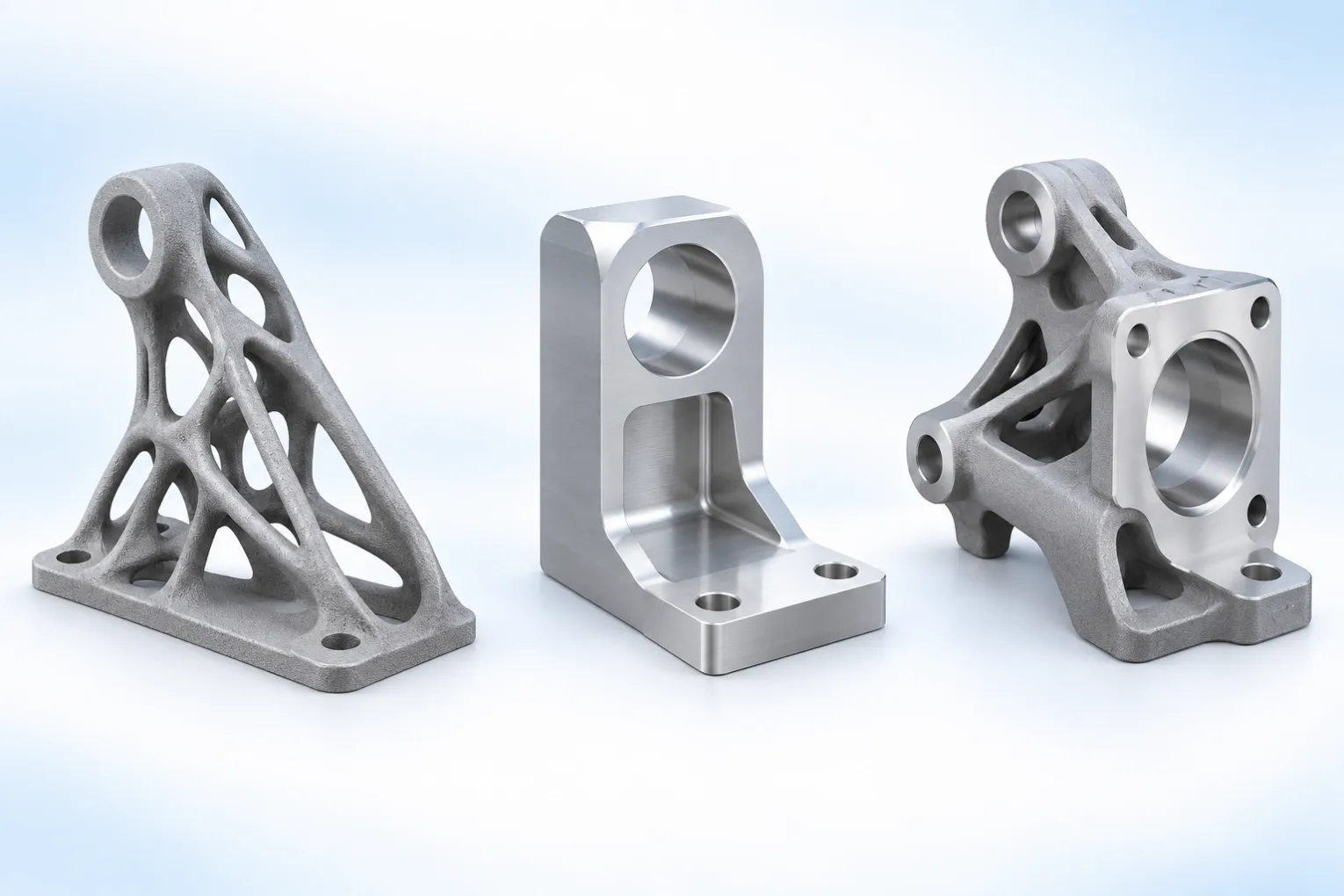
Secondary machining or inserts may be appropriate for selected features, but they are not a default operation for all vacuum cast parts. Ask the supplier to review the actual polyurethane, geometry, workholding and inspection requirements. Use the vacuum casting design guide for the wider part-design review.
Worked RFQ example: 30 small enclosure covers
Illustrative purchasing scenario, not a YSBK customer case: a buyer needs 30 rigid polyurethane covers, approximately 120 × 80 × 25 mm, for an indoor demonstration assembly. The approved design, resin and performance requirements still need to be specified; these example dimensions do not establish manufacturability.
- Face A: outer top and visible side walls; proposed matte black finish, subject to approval of a representative sample.
- Face B: underside rim; appearance secondary, but no interference with the mating base.
- Face C: internal hidden surfaces; trimming standard agreed separately.
- Masking: identify the mating rim and locating features on the drawing. Confirm acceptance after finishing.
- Approval: quote two finished approval pieces and the remaining 28 separately, with written confirmation that the two approved pieces count toward the total of 30.
- Release: no balance-batch finishing until the agreed approval is recorded. Confirm whether any casting or tooling work proceeds before that checkpoint.
Ask for two comparable options: a pigmented, trimmed part with the agreed witness limits, and a painted cosmetic finish on the specified faces. Keep the resin, revision, quantity and functional requirements consistent. The lower unit price may exclude sample preparation, masking, paint setup, inspection or protective packing.
Separate tooling and master costs, sample costs, batch finishing, any additional inspection, packing and freight. Ask how an extra color or an approval change affects cost and the delivery sequence. This reveals the commercial difference without inventing a market price or a promised lead time.
Approve appearance and function before the balance batch
Agree what approval proves. Photographs can show proposed gate positions and broad appearance; physical samples are more useful for close color, sheen, texture and assembly checks. Keep the drawing revision and sample identity with the approval record.
For this project, the buyer might propose inspecting Face A at 500 mm under an agreed diffuse light, against a retained sample. That distance is an example to negotiate, not a universal inspection standard. Define which marks are prohibited, which limits require measurement and who can accept a deviation.
If adhesion, rubbing, cleaning exposure or outdoor use is important, specify the relevant test and acceptance criterion before quoting. A first article that looks right does not prove every durability requirement. Agree the batch checking method and quantity as well; do not assume every part receives every test.
A finishing request you can copy into your RFQ
Part and drawing revision: [ ]. Quantity and color split: [ ]. Intended use and exposure: [ ]. Required polyurethane or properties to review: [ ]. Cosmetic faces: [marked A/B/C views]. Proposed finish and color reference: [ ]. Texture and sheen reference: [ ]. Gate/vent/parting-line proposal required: [ ]. Uncoated or masked features: [ ]. Dimensions checked after finishing: [ ]. Approval sample quantity and whether included in the total: [ ]. Appearance viewing conditions and permitted marks: [ ]. Functional or coating tests, checking quantity and acceptance limits: [ ]. Packing protection: [ ]. Required delivery date and approval owner: [ ]. Please identify exclusions, assumptions and costs for each stage.
For a first order, start with the marked views and intended use even if you cannot fill every field. Ask for clarification of the gaps before approving tooling or batch production. For repeat orders, reference the retained sample and confirm that its revision and finish remain current.
Common buyer questions
Can vacuum cast parts be painted?
Many polyurethane castings can be painted with a suitable preparation and coating system. Confirm compatibility with the selected resin and service conditions. Flexible parts require a finish that tolerates the intended movement.
Can the supplier guarantee an exact color from my photo?
A photo is a discussion reference, not a reliable exact color standard. Supply a physical reference or named target and agree a representative sample and acceptance method.
Does “finished” mean every parting line disappears?
No. Define which faces require blending and what marks may remain. Some areas cannot be blended without damaging texture or geometry; resolve those areas before approval.
What should I send to obtain a useful quotation?
Send the current CAD and drawing, quantity, intended use, marked cosmetic faces, color and finish references, critical interfaces and approval requirements. Ask the supplier to state what finishing, checking and packing are included.
Request a quote for the finished part, with the approval scope attached
Send YSBK your vacuum casting RFQ and marked finishing requirements. Include the target date and any unresolved questions. Ask for confirmation of the material, finishing route, sample approval stages and exclusions before placing the order. A clear, shared acceptance standard makes the quotation easier to compare and reduces the risk of receiving attractive parts that do not meet your customer's use.