CNC Machining Guides
Reordering Custom Machined Parts: How to Get the Same Parts Every Time
How repeat orders stay consistent — frozen files, the approved first article as standard, traced material certs, repeated inspection scope and a two-way feedback loop.
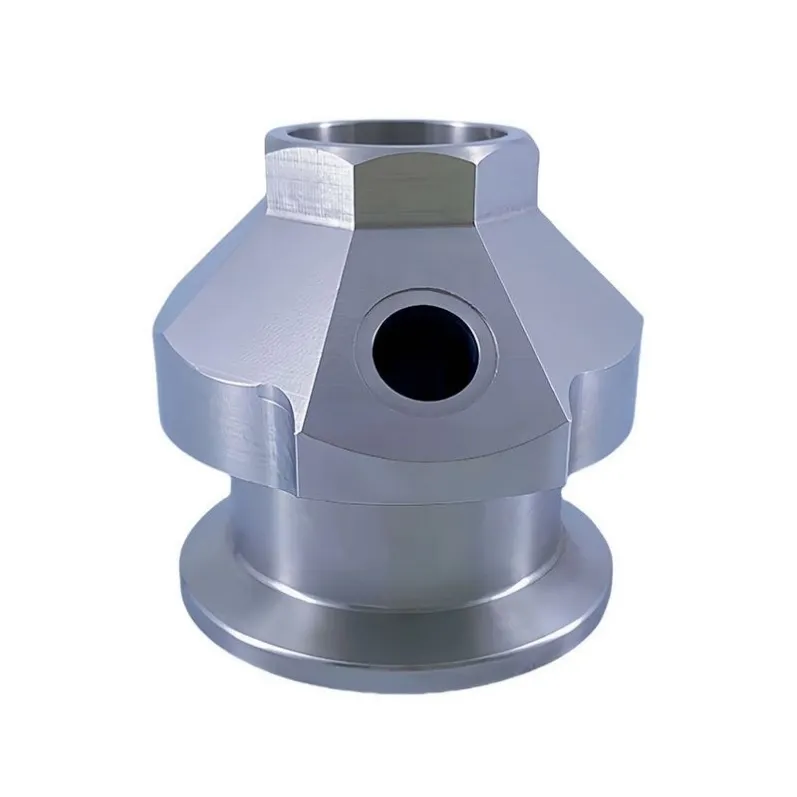
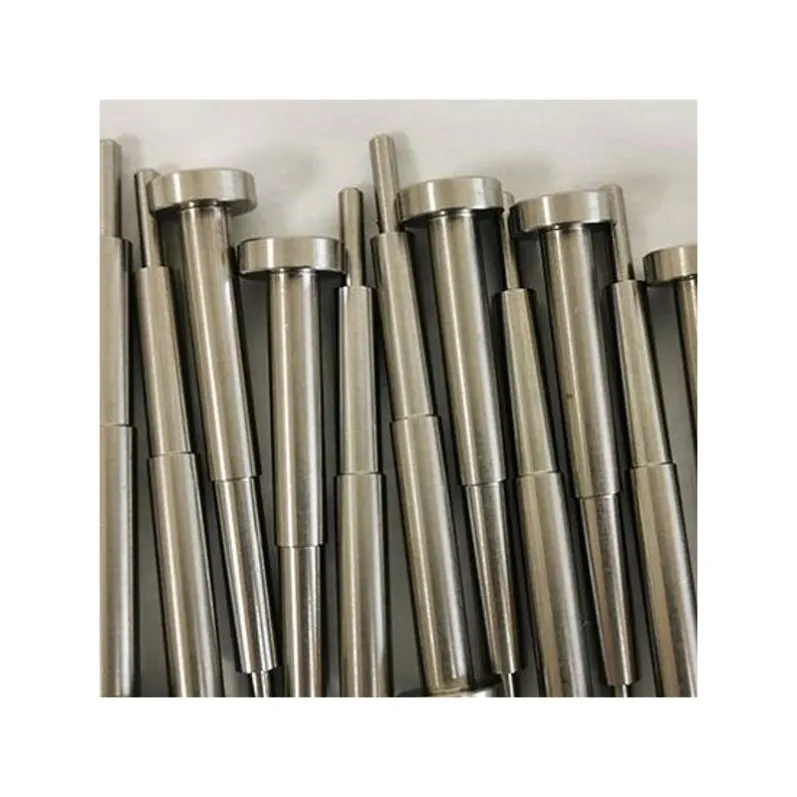
The reorder is where supplier relationships are actually tested. The first order came out perfect — and the second one arrives with a different surface, a slightly loose bore, a finish that is almost the same color. Nothing "failed"; the parts just stopped being the parts you approved. Consistency across reorders is not a promise a supplier makes, it is a system both sides maintain. Here are the five things that carry from order one to order N — and what to confirm before every reorder.
One: the frozen file set
Everything starts from the drawing you approved on order one — revision named, dated, and unchanged until you say otherwise. The reorder quote should reference that same revision by name. If a supplier re-quotes "from your model" without confirming the revision, ask which one; a silent version drift between order one and order two is the root of most "these came out different" conversations. The discipline lives in the file release process — revisions freeze at confirmation and only move with your written change.
Two: the approved first article as the standard
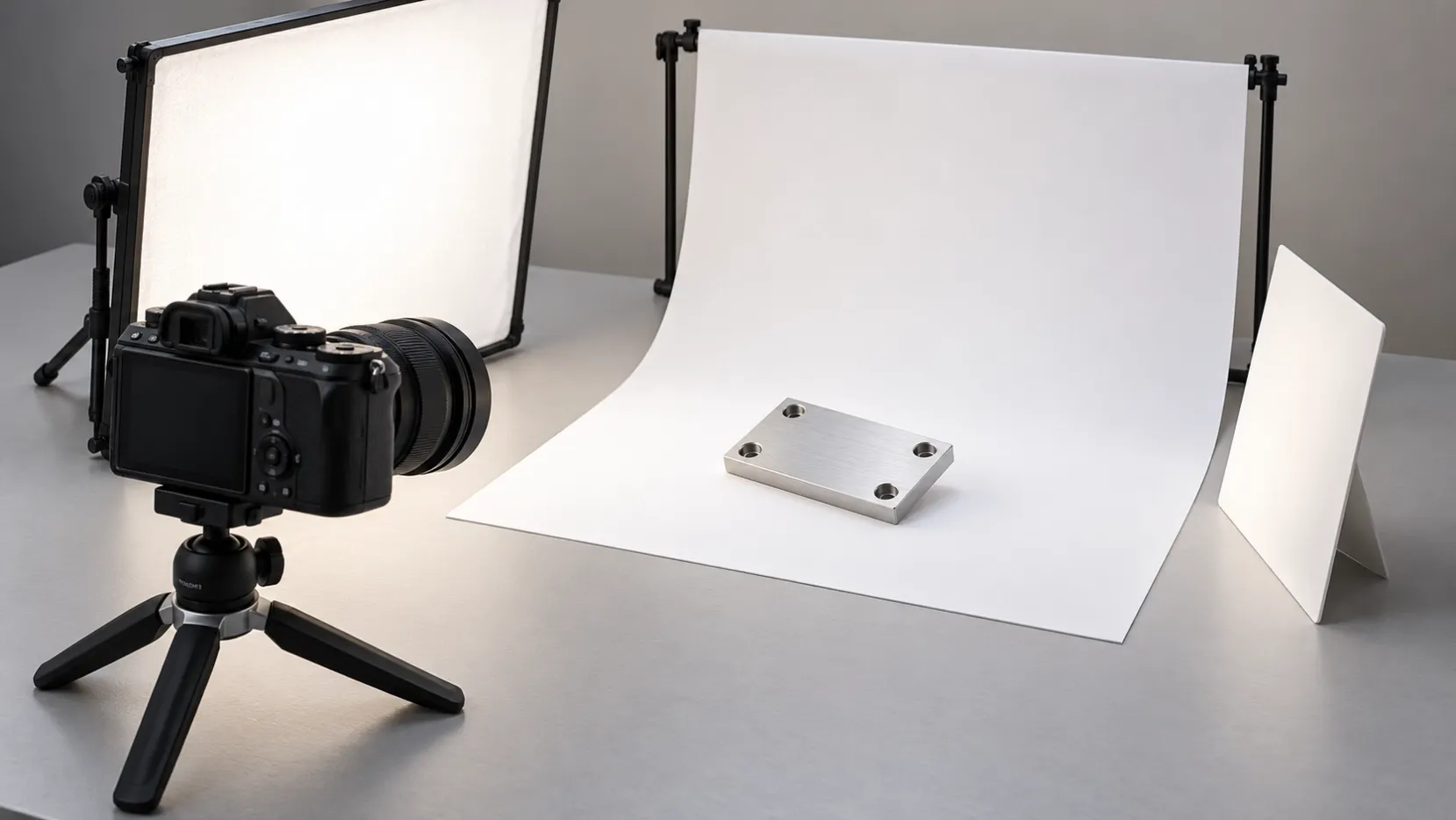
The sample you approved on the first order is not luggage from that order — it is the physical specification for every order after. Keep it. When the reorder arrives, the fastest check is side by side: new part next to approved sample, finish against finish, fit against fit. If the first order had no sample, approve one on the reorder — a first article bought now still sets the bar for every batch that follows.
Three: the material, traced to the same spec
"Same material" means the same grade, the same condition and — where it matters — the same certification expectation. The material certificate from order one names the standard; every reorder should ship against that same reference. If a substitution ever becomes necessary (stock gaps are real), it arrives as a written proposal before production, with the difference stated — the substitution rule in the replacement RFQ checklist applies to reorders exactly as to first orders.
Four: the inspection scope, repeated
The reports you required on order one — dimensional, material cert, first article — belong on every reorder, checked the same way. Consistency is proven by measurement, and the measurement scope is part of the specification. Buyers who relaxed the inspection scope after a good first batch are the buyers who discovered drift late; the scope you set is the drift alarm. And where trust has grown, a third-party spot check every few batches keeps it calibrated — the inspection guide covers the cadence.
Five: the feedback loop, in both directions
When order two is better than order one — say so, and say what was better. When something is off, say that too, with photos and measured values, while the evidence is fresh. Suppliers hold consistency for buyers who feed results back; the feedback loop is why your tolerances get held tighter over years, not looser. The buyers who go quiet get the average, not the attention.
What to confirm before every reorder
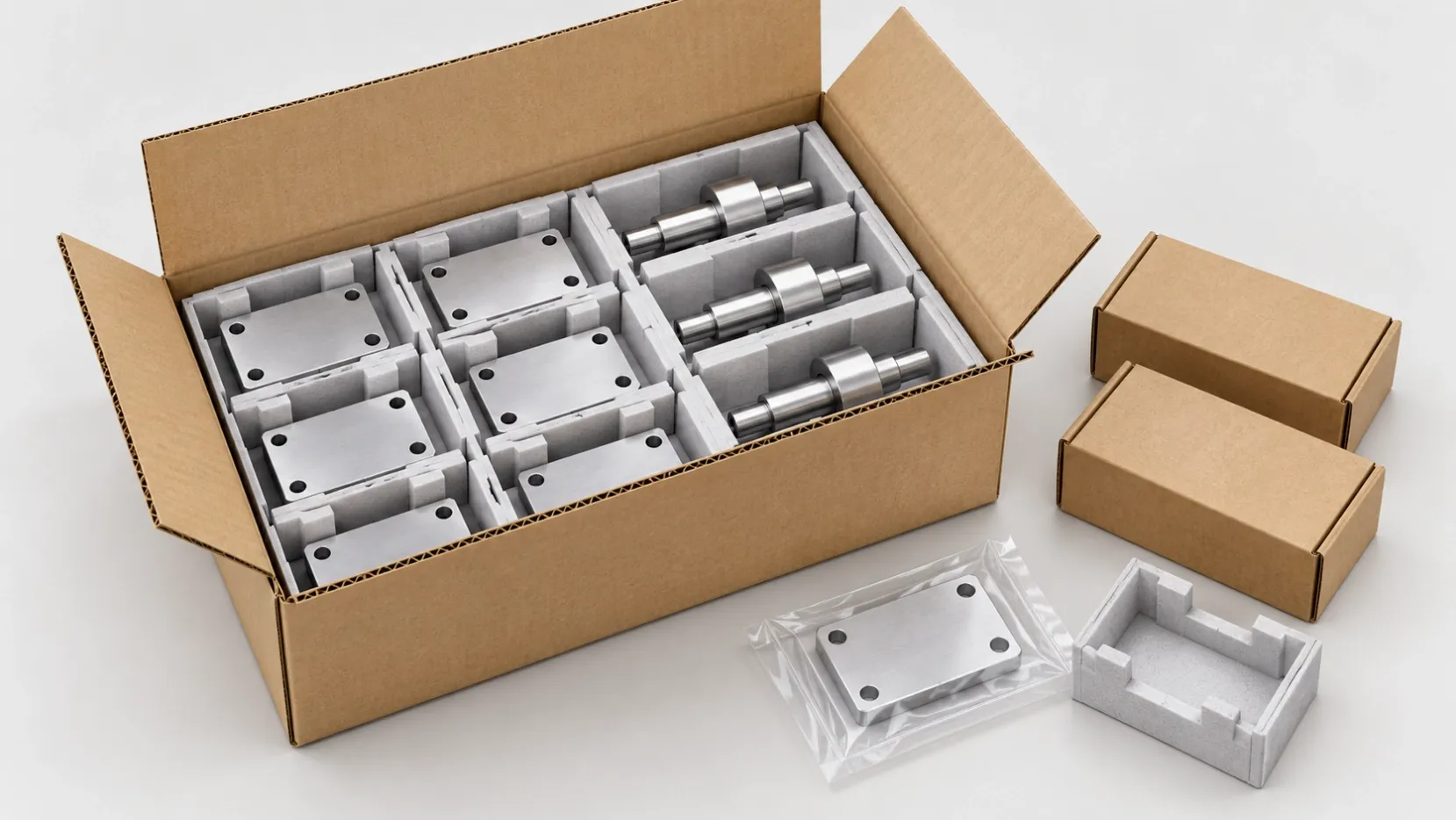
A short list, sent with the PO: drawing revision by name; material grade, condition and cert reference; the approved sample (or first article) as the standard; the inspection scope repeated; delivery and packaging as last time or changed, stated. Five lines — and the reorder quote comes back for the same part you approved, not a cousin of it.
Reorder with the file set, not from memory
Send your last order details for a reorder quote — revision, material cert reference, inspection scope — and the confirmation comes back matching them line for line. Minimum order: one piece, same as the first time.