Replacement Machine Part RFQ Checklist: What to Send for a Useful CNC Quote
A practical checklist for maintenance and engineering teams requesting one-off or low-volume replacement machine parts from approved drawings or usable CAD files.
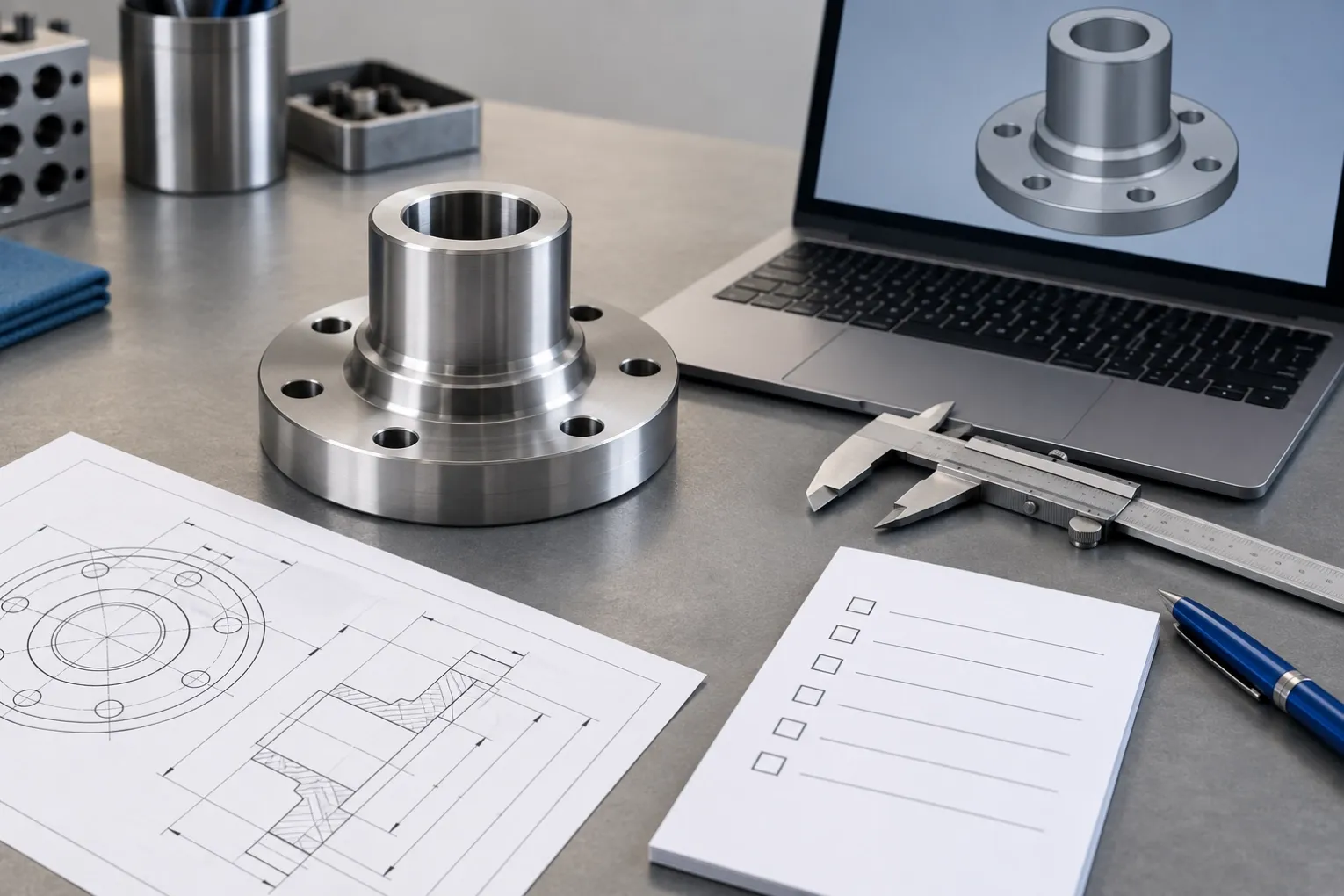
When an OEM part is discontinued or unavailable, a machine shop needs more than a photograph of the damaged component to prepare a reliable quotation. The most useful starting package combines an approved 2D drawing or STEP model with the material, quantity, critical fits and inspection requirements.
This checklist is for industrial buyers sourcing one-off or low-volume mechanical replacement parts. It is designed to help you receive a focused technical review instead of a long exchange of clarification emails.
First, check whether the project fits YSBK
YSBK may be a suitable machining source when:
- you can provide a customer-approved, dimensioned drawing or usable STEP model;
- the part is a non-standard mechanical component for industrial equipment or machinery;
- you need a prototype, one-off replacement or low-volume batch;
- material, critical interfaces and acceptance requirements can be defined before production.
YSBK is not the correct starting point when the only available input is a worn physical sample and the project requires high-precision scanning, reverse engineering or a new production drawing. YSBK does not accept old physical parts for measurement and does not perform high-precision 3D scanning in-house. If necessary, an external scanning or reverse-engineering provider can create the model and drawing for your engineering team to approve before the machining RFQ.
The six items to include in a replacement-part RFQ
1. Approved drawing and CAD files
Send the latest approved revision of the available technical files:
- a dimensioned 2D drawing in PDF, DWG or DXF format;
- a STEP or STP model when available;
- an assembly or mating-part drawing if it helps define the interface;
- the drawing number, revision and measurement units.
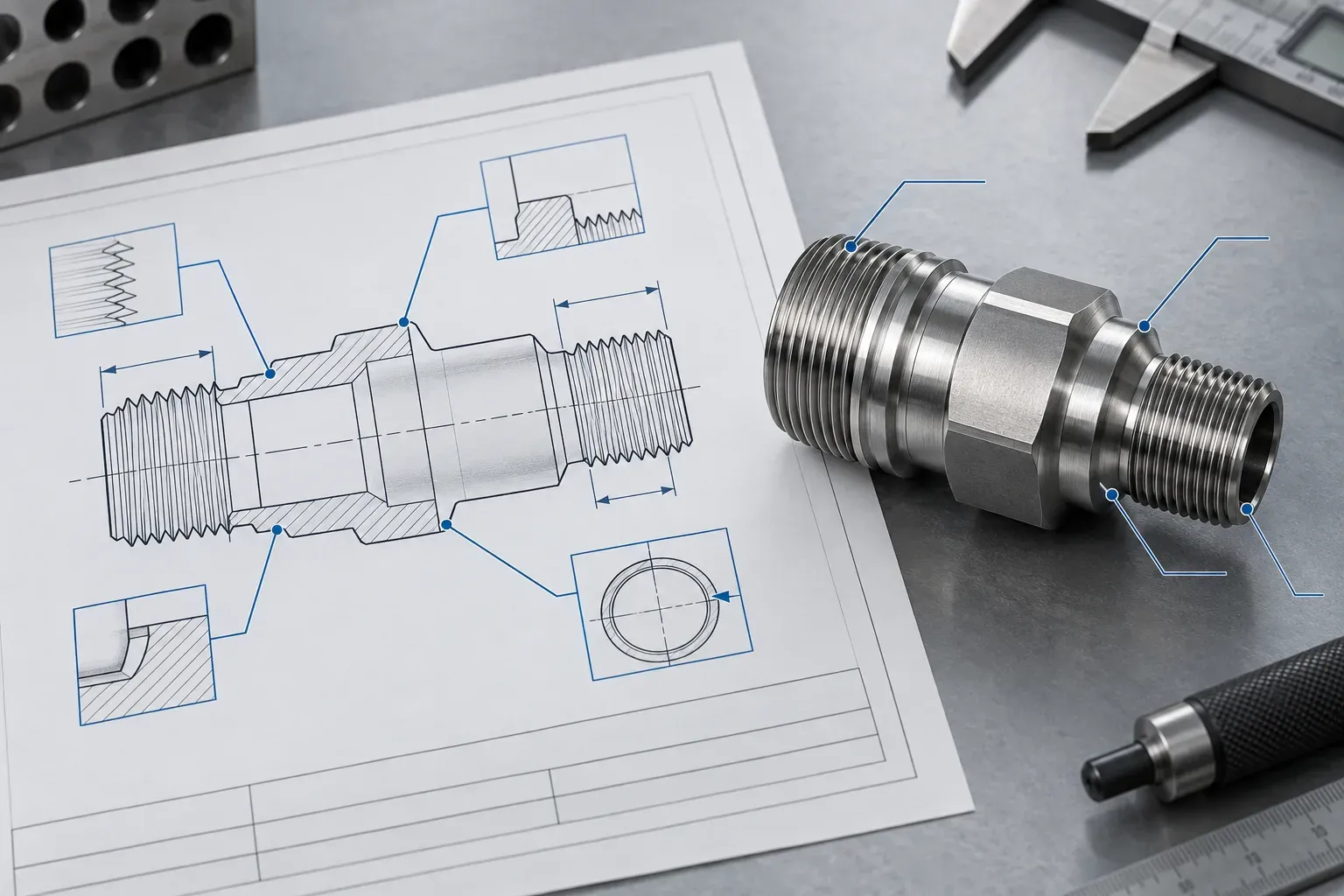
The STEP model communicates geometry efficiently, while the 2D drawing should identify requirements that may not be contained in the model, such as tolerances, fits, threads, datums, surface finish, heat treatment and inspection notes.
If an old drawing no longer represents the machine's current configuration, have the required changes reviewed and approved before treating it as the production definition.
2. Part function and machine context
Explain what the part does and where it fits in the assembly. Two or three sentences are usually enough.
Useful context includes:
- the machine or equipment type;
- whether the part locates, supports, seals, guides or transmits motion;
- the reason for replacement;
- any repair or modification that changed the original assembly;
- whether downtime or a planned maintenance date affects the required timing.
This context does not replace the drawing. It helps the quotation engineer recognise which drawing features may control manufacturing and inspection.
3. Critical fits and mating interfaces
Mark the dimensions that determine whether the new part will fit and function. Depending on the component, these may include:
- bearing seats, shaft diameters and bores;
- locating shoulders and pilot diameters;
- keyways, splines and threads;
- seal diameters and mating faces;
- hole positions and centre distances;
- alignment, flatness or runout requirements;
- installation clearances and critical overall dimensions.
Do not copy a worn diameter into a new drawing without confirming the intended fit. Wear, deformation and earlier repairs can change the current measurement of the old component. Use the mating feature, an unworn reference, an assembly drawing or an engineering decision to establish the required replacement dimension.
4. Material and processing requirements
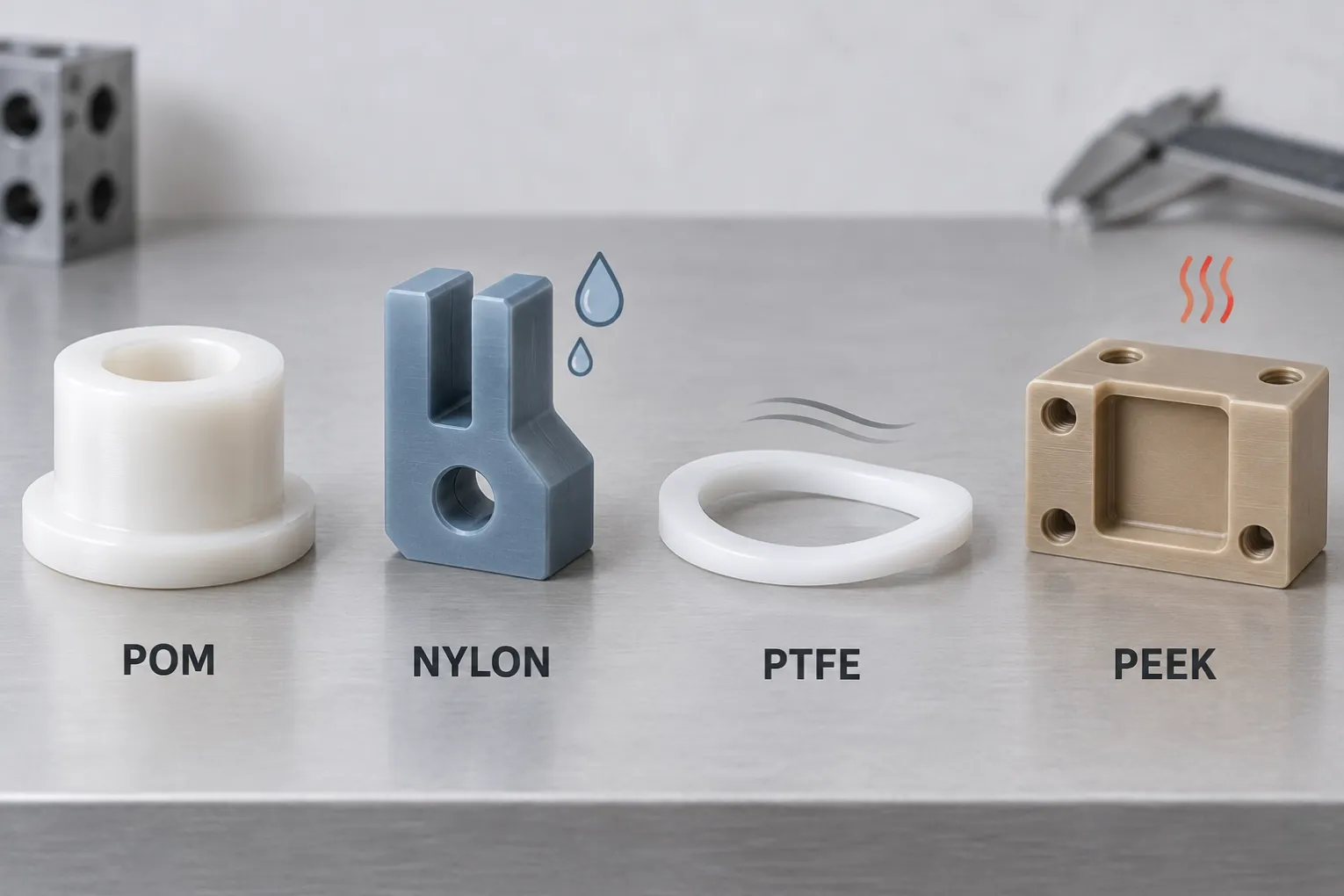
State the required material grade and condition. Also identify any applicable:
- hardness range;
- heat treatment;
- coating or plating;
- surface finish;
- corrosion or wear requirement.
Appearance alone cannot confirm an alloy grade or heat-treatment condition. If the original specification is unknown, resolve it through your engineering records or an appropriate external testing provider before production.
5. Quantity and timing
Provide the immediate order quantity and, if known, the likely repeat requirement. A request for one urgent repair part is evaluated differently from a small batch intended for maintenance stock.
Include the date when the part is needed, but keep it separate from the technical definition. Delivery timing can only be confirmed after the files, material, process and capacity have been reviewed.
6. Inspection records and certificates
List every required document during the RFQ stage. These items are not included automatically.
YSBK can discuss an in-house record for selected critical dimensions shown on the approved drawing. Suitable basic dimensions may be checked using tools such as calipers, micrometers, depth gauges and height gauges. This is not a full-dimensional CMM report or an AS9102 FAI report.
When applicable and agreed before ordering:
- a hardness report may be obtained from the external heat-treatment provider;
- a material certificate or COA may be obtained from the raw-material supplier;
- availability, scope and quotation impact must be confirmed for the specific order.
If CMM inspection, high-precision optical measurement or a formal full-dimensional report is mandatory, state that requirement before supplier selection.
Can photographs or sketches be used?
Photographs, marked screenshots and undimensioned sketches can provide useful context. They may show orientation, visible wear, a previous repair or the relationship between the part and the machine.
They cannot serve as the final production drawing. Manufacturing must be based on an approved, dimensioned and toleranced drawing or an adequately defined STEP model with the necessary specifications.
YSBK can review old 2D drawings, assembly drawings and other reference documents together with the approved production files. YSBK does not accept an old physical part as the source for in-house measurement or drawing reconstruction.
A compact RFQ example
You do not need a long purchasing document to start the review. A concise message can contain the commercial and technical essentials:
Part: replacement locating sleeve for packaging equipment
Files: approved PDF drawing Rev. C and matching STEP model
Quantity: 2 pieces now; possible repeat batch of 5
Material: 4140 pre-hardened, as specified on the drawing
Critical features: bearing fit, shoulder position and M8 thread
Inspection: selected-dimension record for the bearing diameter and shoulder length
Required date: state the maintenance target date
The DFM & Quotation Engineer can then review file completeness, initial manufacturability, missing information and quotation inputs.
What happens after the files are received?
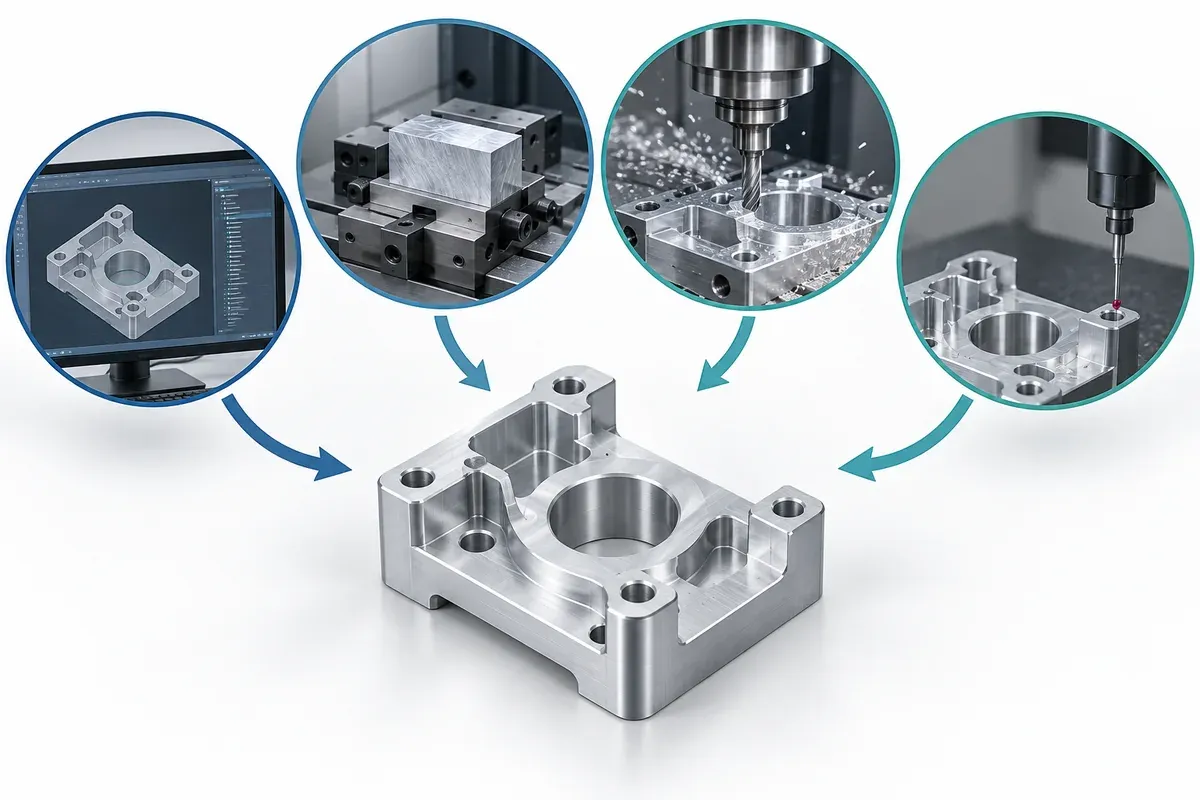
YSBK's DFM & Quotation Engineer reviews the drawing and STEP file for completeness and performs an initial manufacturability check. If a critical tolerance, material condition or inspection requirement is unclear, the team will request clarification before production requirements are treated as confirmed.
The first review is not approval of the design. The customer remains responsible for the approved production definition and for confirming that the specified dimensions and interfaces are suitable for the machine.
For more general guidance on controlling drawings and specifications, YSBK also provides Build-to-Print Manufacturing: What Engineers Should Define Before Sending Drawings to a Supplier. If you are still comparing repair, OEM sourcing and custom manufacturing, read Obsolete Machine Parts: Replacement Options for Industrial Equipment first.
Ready to request a replacement-part quotation?
Request a Replacement-Part Quote Email Your Drawings
Email info@ysbkparts.com with your STEP file, approved 2D drawing, quantity, material and marked critical features. Email is the preferred channel for technical attachments and provides a clear written project record.
WhatsApp is suitable for quick questions and screenshots, but large CAD files may be restricted. The website contact form is appropriate for a preliminary inquiry; complete STEP files and large technical packages should be sent by email.
Before sending proprietary files, review YSBK's Technical File Handling Policy. Technical files are used for quotation, DFM review, manufacturing and inspection of the order. They are not used for other projects or shared with third parties. They are retained for 12 months after order completion; an earlier deletion request can be submitted by email with the order number and drawing name.
To review YSBK's manufacturing scope before contacting the team, see Custom Replacement Machine Parts — One-Off & Small Batches.
Frequently asked questions
Do I need both a 2D drawing and a STEP file?
Send both when available. The STEP model defines geometry efficiently; the drawing identifies tolerances, materials, threads, finishes, heat treatment and inspection requirements that may not be contained in the model.
Can YSBK copy a replacement part from a worn physical sample?
No. YSBK does not accept old physical parts for measurement and does not create missing production drawings from a sample in-house. Arrange external scanning or reverse-engineering support first, then submit the approved drawing or STEP model for machining review.
Can I send an old machine drawing?
Yes, as a reference or production input if your engineering team has confirmed that it represents the required replacement and the machine's current configuration. Identify the applicable revision and disclose any later repairs or modifications.
Can I order one replacement part?
YSBK reviews one-off and low-volume replacement-part requirements. Feasibility and pricing depend on the drawing, material, geometry, tolerances, processing and inspection scope.
Are inspection reports and material certificates included automatically?
No. Request each required record or certificate during the RFQ stage. YSBK will confirm its source, scope, availability and any effect on the quotation for that order.