CNC Machining Guides
Custom Machined Parts for Automation and Robotics: What to Specify
Sourcing machined parts for automation builds — small batches and fast iterations, what to mark functional, revision handling, spare sets with the original order, and consolidating the machined set.
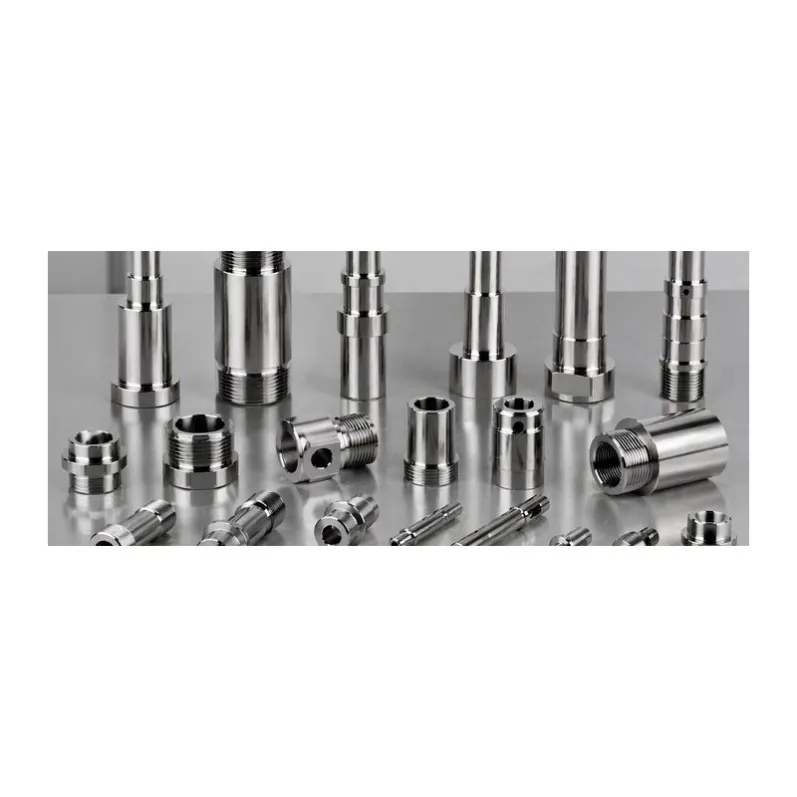
Automation equipment eats custom parts. A gantry needs mounting plates, a gripper needs machined fingers, a conveyor fixture needs wear strips and locating blocks — each in small quantities, each revised twice before it is right, each needed yesterday. Sourcing those parts is its own discipline, different from sourcing production components, and the suppliers who serve automation builders well are set up differently too. This guide is written for the engineers and buyers who keep automated lines building: what to specify, what to expect, and where the small-batch process bends in your favor.
Small batches, fast iterations: the quantity that fits automation
Automation projects order in ones and fives — one frame plate, four mounting blocks, a set of gripper fingers per station. The right supplier prices that honestly: a one-piece minimum, a quote that does not punish the quantity, and a process that treats the fifth revision with the same attention as the first. This is why builders source machined parts from shops rather than molding houses for the fixtures: the iteration speed of the project lives in the parts. When a station finally stabilizes and quantities climb past dozens, that is the moment to revisit the process — the printing-versus-machining comparison covers the route change for metal parts.
What to specify on automation parts
The specification that matters most is which features are functional: the locating bores that set alignment between stations, the flatness on a mounting face, the wear surface on a guide. Mark those with tolerances and finish; let the rest ride standard. Wear surfaces deserve a material conversation — steel versus aluminum versus engineered plastic changes the life of a fixture dramatically, and the surface roughness guide covers the texture on the faces that slide. If the part will be anodized for identification or corrosion, the callout rules in the anodizing guide apply — automation builders often color-code stations by anodize, which is a legitimate spec worth stating.
Revisions at automation speed
The drawing will change — stations get reworked, sensors move, a gripper needs longer fingers. What protects the schedule is a supplier whose revision handling is written down: new revision quoted fast, files versioned per revision, no ambiguity about which version is being made. The file release process is the backbone here; the suppliers who serve automation builders well quote revisions in days because the process expects them.
Spare parts: the order that comes after the machine ships
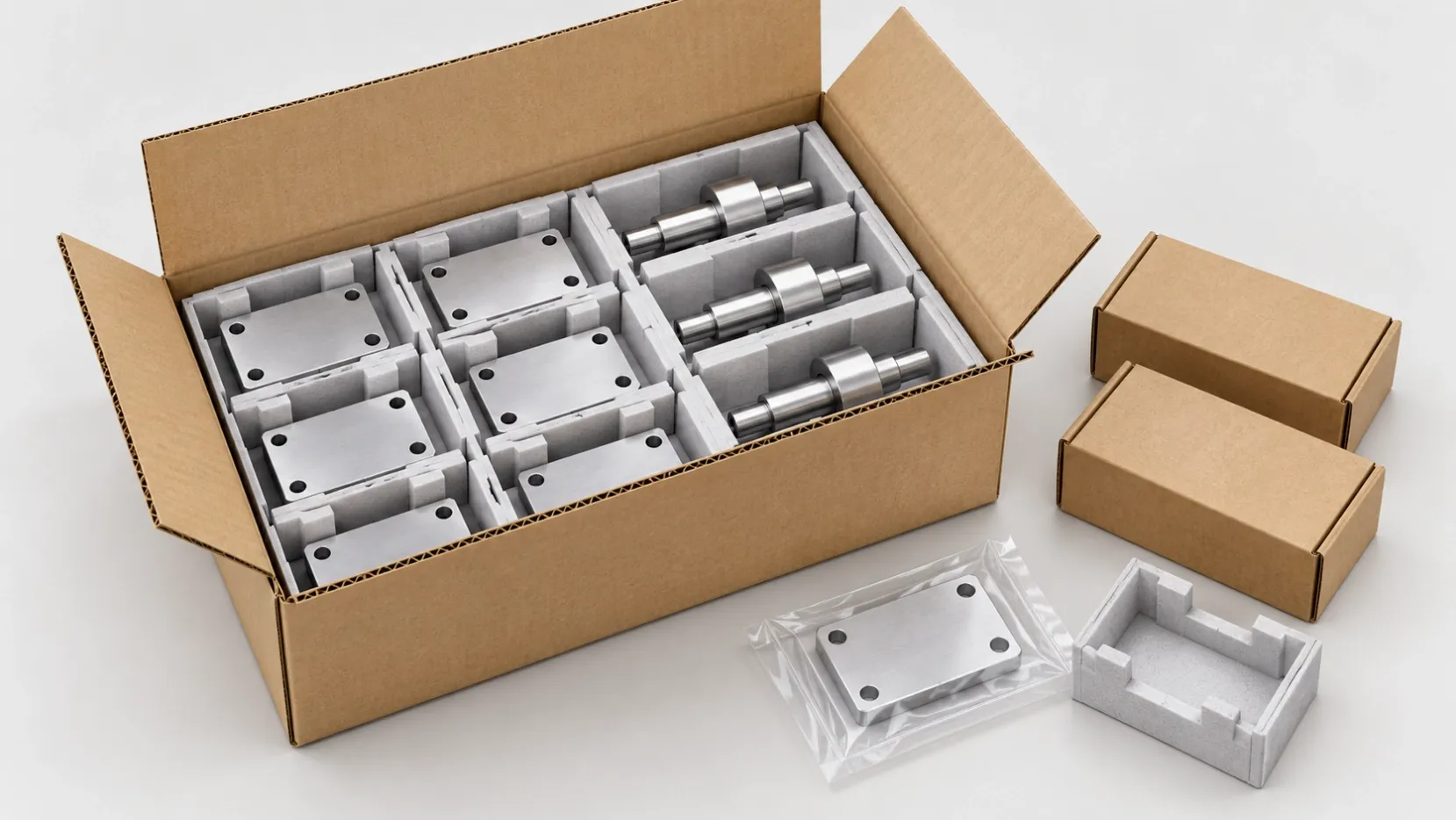
The machine leaves for the customer's floor, and six months later the wear strips and gripper fingers need replacements. The buyers who planned this ordered spare sets with the original build — cheap at setup, invaluable when a line is down. The buyers who did not, need a supplier who can reproduce from the original files without treating it as a new project; the reorder consistency guide is that discipline, and the files from the original build make the spares quote a formality. State at the first order whether spares are planned — it changes what gets documented.
One supplier for the set, or many?
A machine build mixes machined plates and blocks, turned parts, sometimes cast or printed details. Consolidating the machined set with one supplier simplifies fit accountability — one shop sees the whole stack of interacting parts — while splitting across specialists can chase unit prices into complexity. The middle path most builders land on: one shop for the machined set, specialists for the exotic. The channel guide covers when consolidation beats specialist sourcing.
Quote the machine build
Send the parts list for your build — plates, blocks, wear parts, spares — and the quote comes back per part, with the revision handling and spare-part documentation stated. Automation builders keep schedules with suppliers who quote this way; that is the supply this shop is set up to be.